
Cigar Box Guitars
Historic Entertainment • Modern Craft Revival
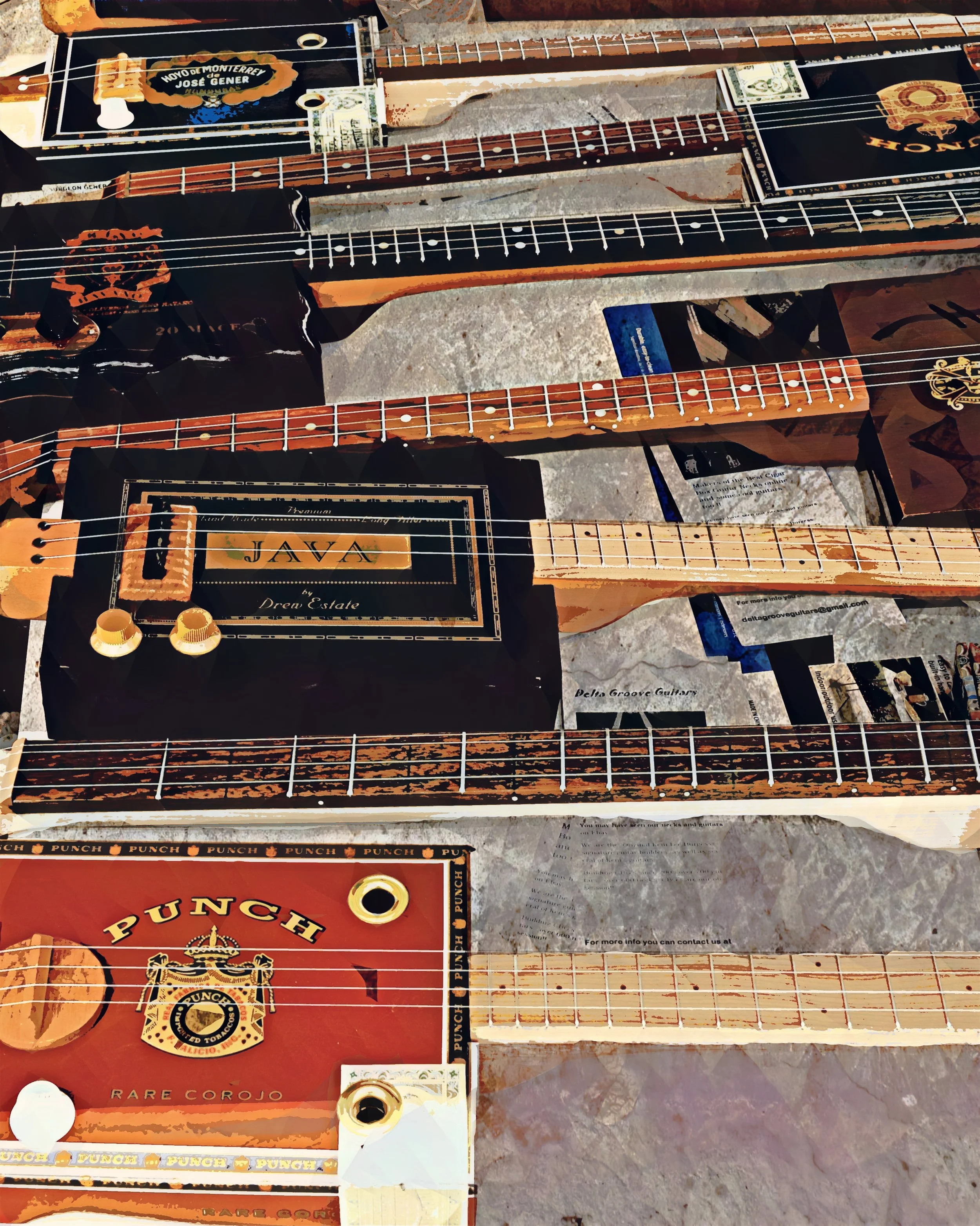
A cigar box guitar is a simple stringed instrument that uses as empty cigar box as a resonator. It became a trend when in 1865 the U.S. began requiring cigars be sold in small boxes to aid in tax collection. Clever would-be musicians began joining the boxes to a broom handle or other wooden stick, attaching wires, often from a window screens, stretched across to create a simple fiddle.
A modern revival of the instrument has gathered momentum in recent years. Inspired by DIY culture, modern cigar box guitar makers can be seen as luthiers (makers of wooden stringed instruments), adding in personal touches like pickups and resonator cones. Because each is unique, there is also growing interest in cigar box guitars as art. Artists playing cigar box guitars are as varied as Lightnin’ Hopkins, Samantha Fish, Paul McCartney, Carl Perkins, Ghalia Volt, Muddy Waters, Jimi Hendrix, Tom Waits, Seasick Steve, Albert King, and Billy Gibbons.
Cashbox Kings
Band • Traditional Blues Revivalists
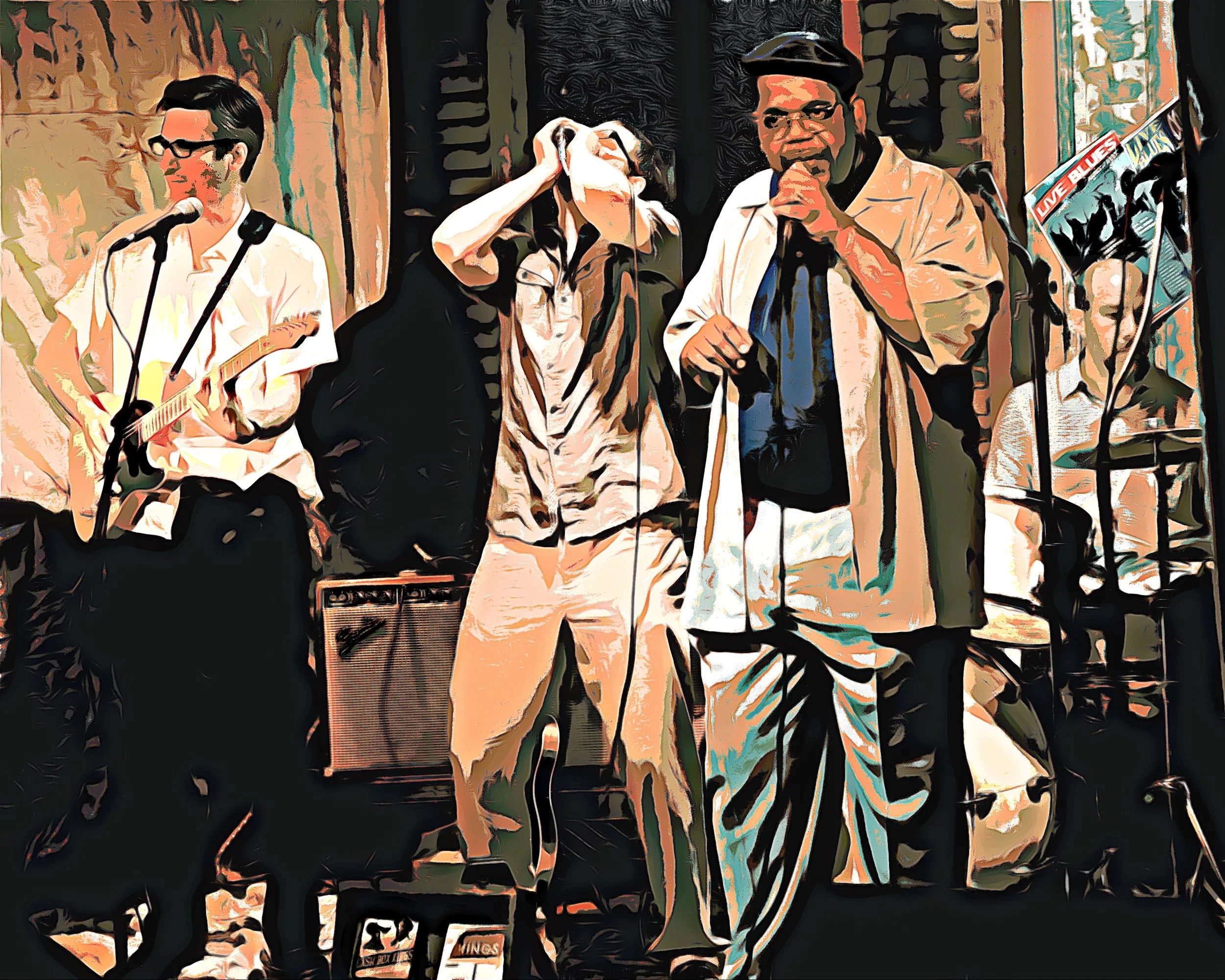
Cash Box Kings is a Chicago-based blues band dedicated to preserving and performing the classic sounds of postwar Chicago blues. Drawing on the electric traditions shaped by African American musicians on the city’s South and West Sides, their music reflects the shuffle rhythms, harmonica leads, and storytelling style associated with labels like Chess Records, and the neighborhood club scene of the 1950s and 1960s. Known for mixing Chicago and Delta blues, jumping rock 'n' roll, and driving "bluesabilly" (their mix of Chicago blues and Memphis rockabilly) – and playing with contemporary authority and old school authenticity.
Original songwriting using traditional forms demonstrates blues’ current relevance
Inspired by artists like Muddy Waters, Howlin’ Wolf, and Little Walter.
Performs nationally and internationally, introducing new audiences to Chicago blues traditions
Lil’ Ed Williams
Singer • Songwriter • Chicago Slide Guitar
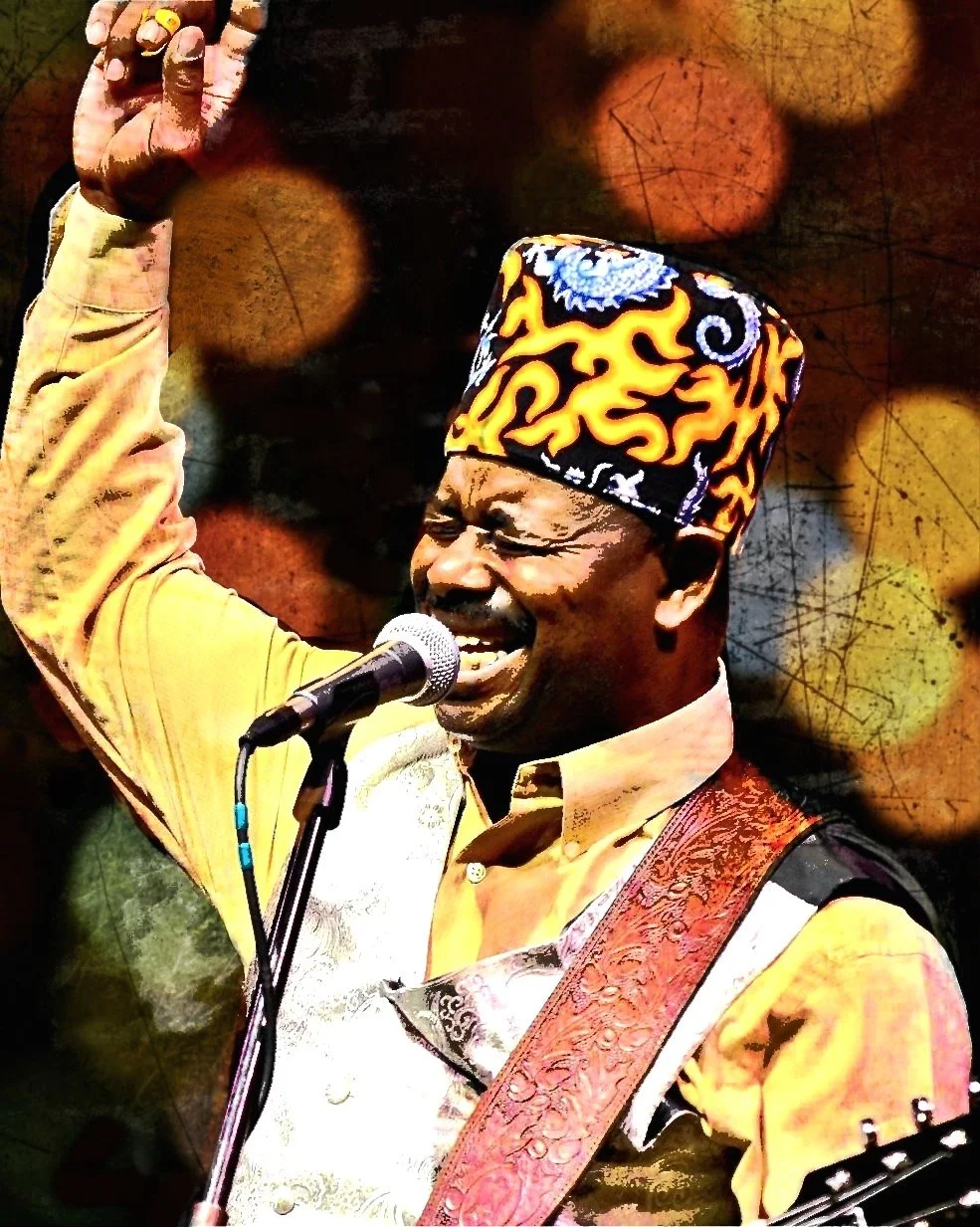
Lil’ Ed Williams (1955– ) is a Chicago blues guitarist, singer, and bandleader known for his high-energy slide guitar, and dynamic stage presence. As bandleader for Lil’ Ed & the Blues Imperials, he carries forward the city’s electric blues tradition from the postwar WWII club culture. A nephew of slide guitar master J.B. Hutto, Williams developed a raw, driving style rooted in Chicago shuffle rhythms and expressive bottleneck technique. His performances combine deep blues feeling with joyful showmanship, reflecting the dance-floor energy central to Chicago boogie blues. Through decades of touring and recording, he has remained a powerful ambassador for traditional electric blues.
Bandleader for the Blues Imperials for 30+ years
Inspired by slide-master Elmore James
Known for rough-edged, intense vocals
Many Blues Music Awards, with Band of the Year - twice
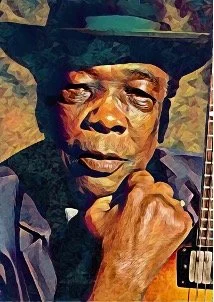
John Lee Hooker
Guitarist • Singer • Songwriter • Delta and Electric Blues Pioneer
John Lee Hooker (born near Clarksdale, Mississippi, between 1912 and 1917 – died 2001) was a guitarist and singer whose hypnotic, rhythm-driven style helped define modern electric blues while preserving the expressive roots of Delta traditions. In his later career he began recording and performing with rock musicians, demonstrating the blues’ central role in that expanding genre. Shaped by African American church music, field songs, and the Great Migration north to Detroit, his music carried rural Southern storytelling into the urban blues era, influencing generations of musicians across blues, rock, and rhythm and blues.
Developed a distinctive “boogie” groove built on repetition and minimal chord changes
Drew on field hollers, spirituals, and early country blues vocal traditions
Helped shape postwar electric blues through recordings in Detroit and Chicago
Recorded more than 100 albums across a six-decade career, receiving multiple Grammy Awards
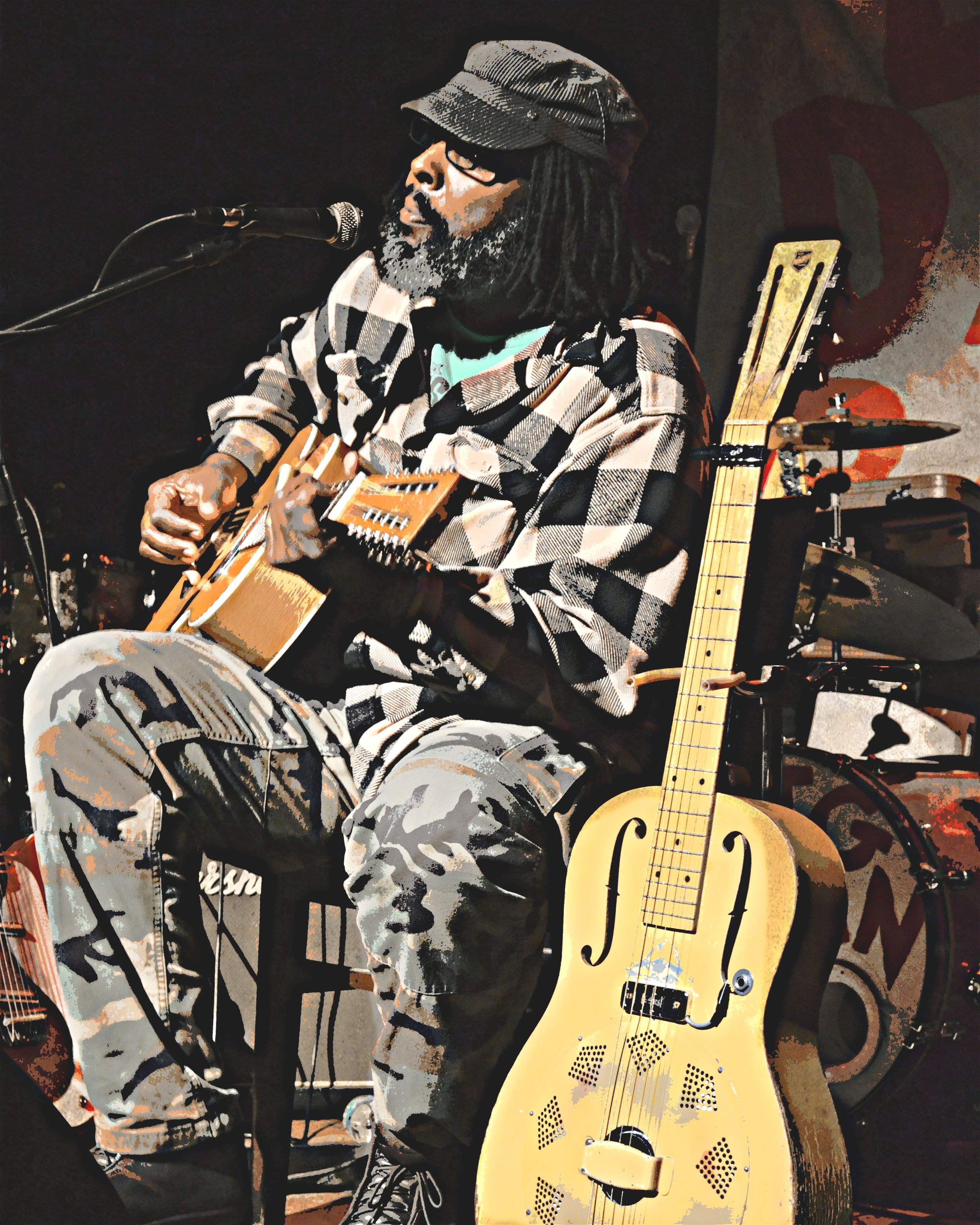
Alvin Youngblood Hart
Guitarist • Banjo Player • Traditional Blues Artist
Alvin Youngblood Hart (1963 - ) is a guitarist and multi-instrumentalist whose work connects Delta blues with African American string-band, folk, and roots traditions that shaped the foundations of American music. Raised within Mississippi family traditions and later based in California, he draws on the shared lineage of rural Black guitar and banjo styles to present blues as part of a broader acoustic heritage that includes jazz, country, western swing, and roots music.
Performs on guitar, banjo, and mandolin, demonstrating how these instruments share common cultural origins in Southern Black communities
Draws from Delta blues, string-band, and early Southern folk traditions
Preserves historical styles, emphasizing the breadth of African American acoustic traditions
Recipient of a Grammy for Best Traditional Blues Album – contributions to Beautiful Dreamer
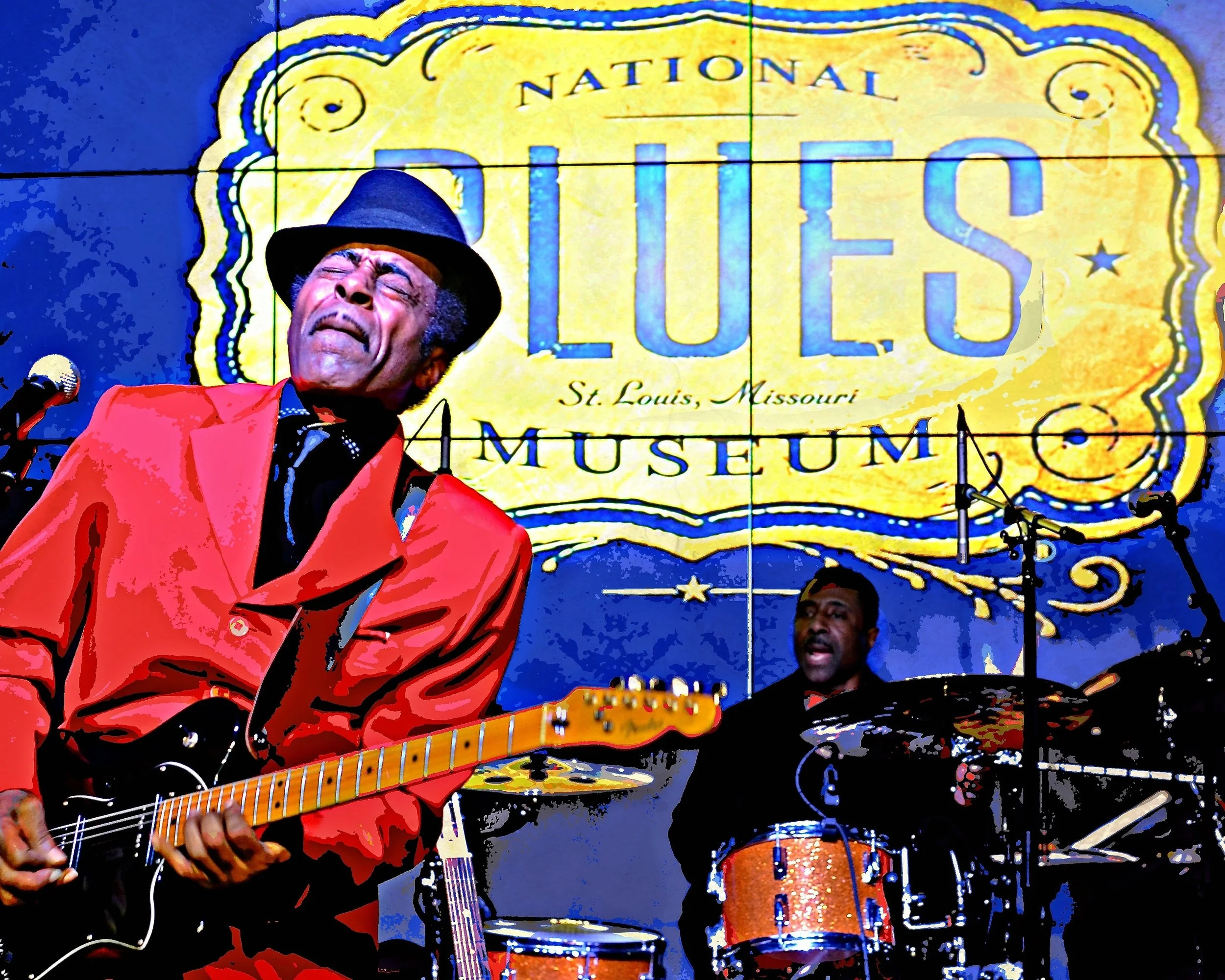
Vasti Jackson
Guitarist • Singer • Songwriter • Mississippi Blues Ambassador
Vasti Jackson (1959 - ) is a guitarist, singer, and songwriter whose music reflects the rich blues and soul traditions of Mississippi and the Gulf Coast. Raised in a region shaped by Delta blues, gospel, and rhythm and blues, and steeped in the African American and American roots musicology, he blends traditional forms with contemporary influences, connecting local heritage to modern audiences through performance, producing, education, and community work.
Born and based in Mississippi, rooted in regional Black musical traditions
Combines blues, soul, jazz, R&B, gospel, and funk influences in his guitar and vocal style
Known for expressive slide and electric guitar playing
Works as a songwriter, producer, session artist, and mentor for younger musicians
Active in cultural preservation and arts education programs across the South
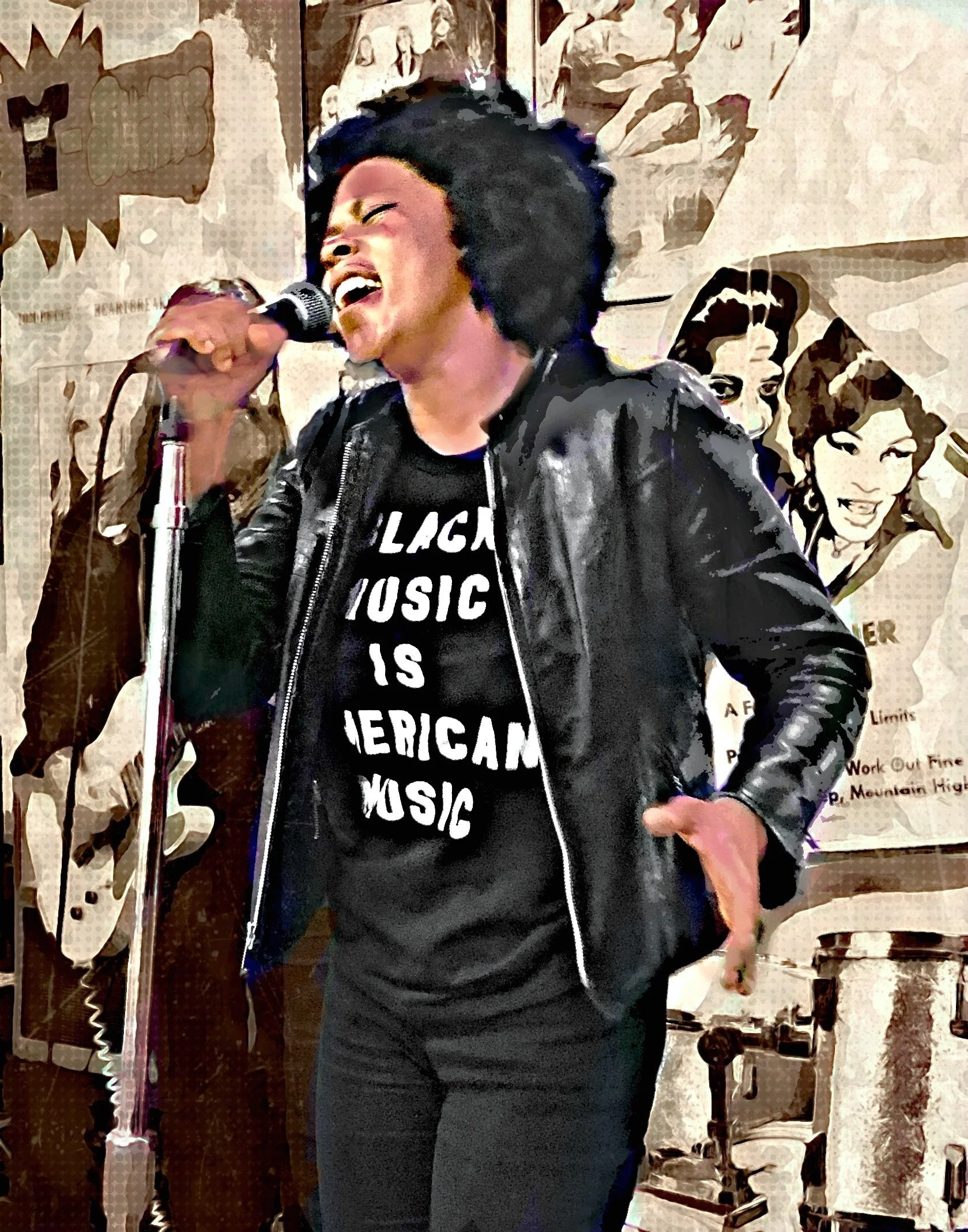
Nikki Hill
Singer • Songwriter • Roots Revivalist
Nikki Hill (1994 - ) is a singer and songwriter whose powerful voice bridges blues, rhythm and blues, soul, and early rock and roll traditions. Drawing on the legacy of African American women vocalists who shaped mid-century R&B and gospel performance, she brings a fiery, roots-driven approach – with a punk rock attitude - to connect historical styles with new and contemporary audiences.
Inspired by artists like Etta James, Tina Turner, the Staples Singers, Chuck Berry, Little Richard, and Amy Winehouse
Known for explosive, high-energy live performances and gritty soul-stirring vocals
Blends blues, soul, gospel, and vintage rock and roll sounds
Tours internationally with a tight, guitar-driven band format
Highlights the continuing leadership of women within blues and roots music

Bennie Smith
Guitarist • Singer • Songwriter • St. Louis Blues Artist
Bennie Smith (1933–2022) was a guitarist and singer who became a central figure in the St. Louis blues community, helping sustain the city’s distinctive regional sound across several decades. He performed in St. Louis clubs and festivals, becoming known for his strong stage presence and dedication to local audiences. His recordings document a style rooted in African American blues traditions while grounded in the lived experiences of Midwestern Black communities. Blending traditions carried north by African American migrants from the South, his music blended Delta influences with the steady rhythms and storytelling of neighborhood club culture.
Performed regularly in St. Louis clubs, festivals, and community venues
Known for expressive guitar work and direct, story-driven lyrics
Recorded music grounded in regional blues and everyday experience
Helped preserve and promote St. Louis blues traditions for new generations
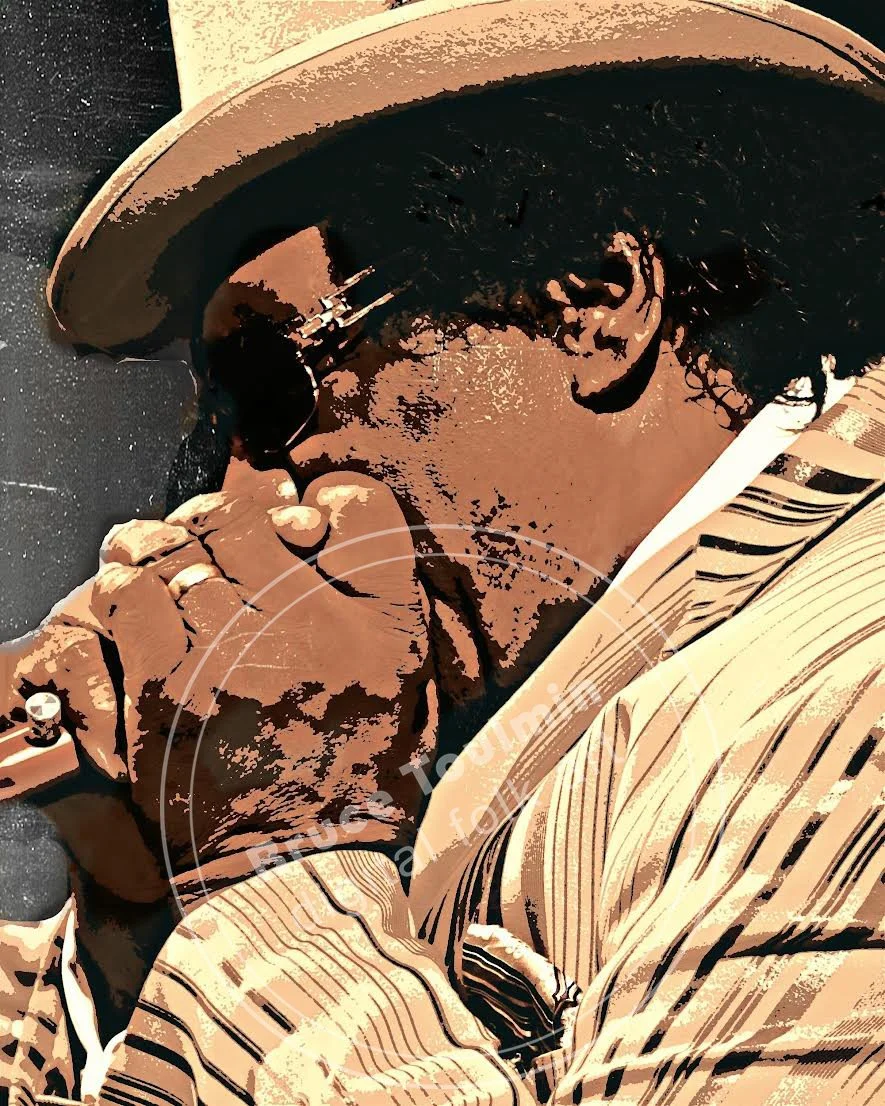
Big George Brock
Singer • Harmonica Player • Keeper of the Delta Blues Tradition
Big George Brock (1932–2020) was a blues singer and harmonica player who preserved the sound and storytelling traditions of the Mississippi Delta throughout a career spanning more than five decades. Raised on field hollers – improvised solo work songs sung across fields and farms that expressed loneliness, endurance, and everyday life - gospel music, and local blues, these early influences shaped his direct vocal style and conversational approach to performance. He settled in St. Louis, carrying these rural Southern forms into urban clubs and festivals as a living link to the genre’s earliest styles.
Learned harmonica informally alongside older Delta musicians.
Emphasized steady rhythms, plainspoken lyrics, and lived experience.
Became a familiar presence in St. Louis venues and community events.
Maintained traditional acoustic styles as electric blues grew dominant.
Remembered as a culture bearer sustaining Delta blues for new audiences.
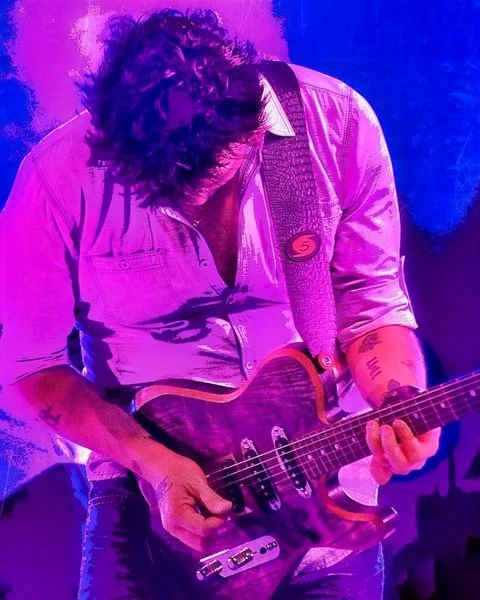
Mike Zito
Guitarist • Songwriter • Singer • Powerhouse Modern Blues-Rock
Based in St. Louis, Mike Zito (1970 - ) blends electric blues with elements of rock and Southern soul, combining modern songwriting with the phrasing and structure of classic blues guitar traditions. Influenced by both Texas and Chicago blues styles, his music connects personal storytelling with the expressive tones and grooves that grew from African American blues communities of the 20th century. With a mission to help low-income and emerging young artists create, record, and pursue their musical dreams, Zito co-founded non-profit organization Broken Rocks in Wildwood MO, making a state-of-the-art recording studio and access to professional mentorship available to aspiring musicians.
Draws influence from artists like Albert King, Stevie Ray Vaughan, and Chicago blues players
Known for expressive electric guitar tone and emotionally direct songwriting
Co-founder of blues/rock supergroup Royal Southern Brotherhood
Won the 2025 Blues Music Award for Blues Rock Album of the Year
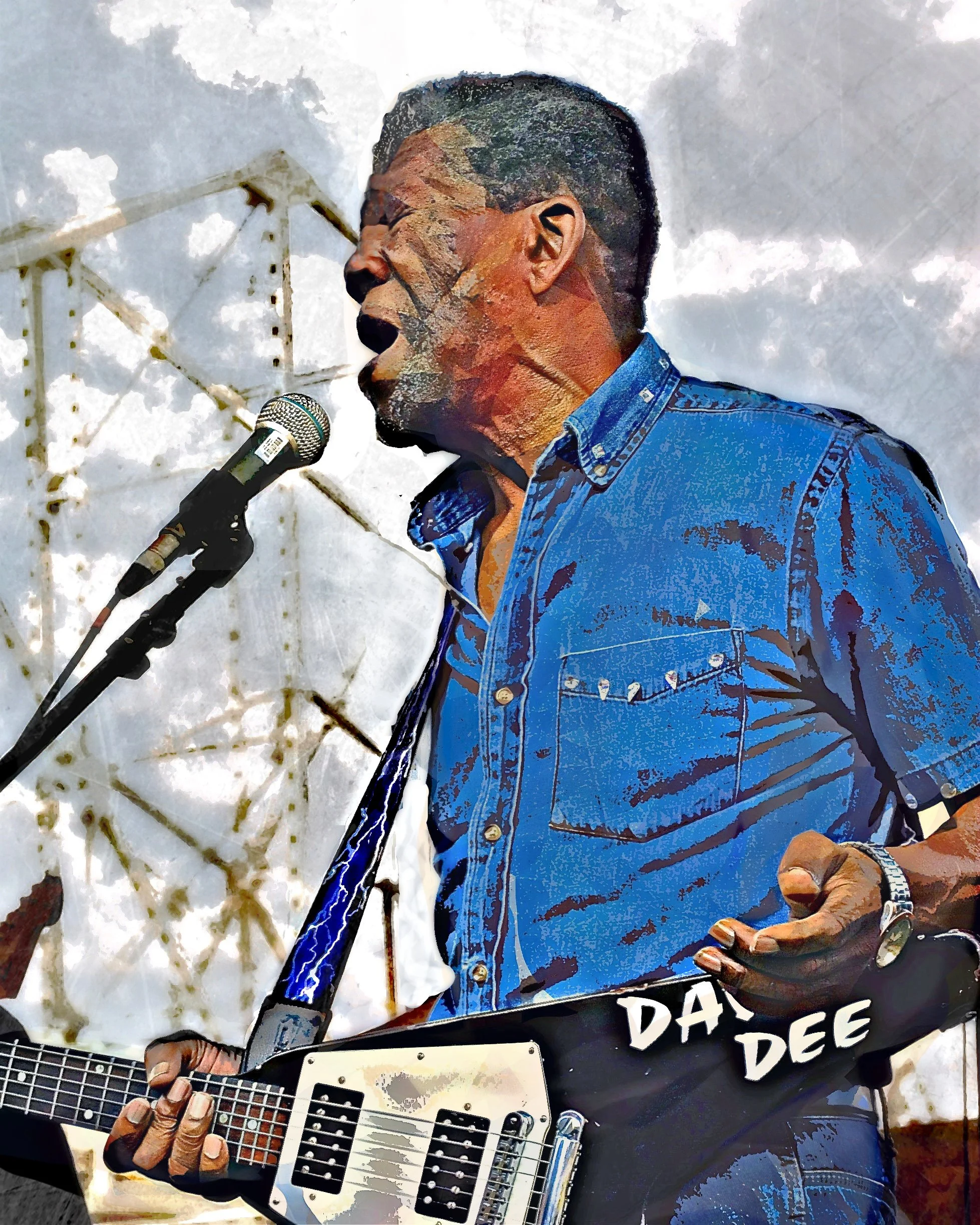
David Dee
Singer • St. Louis Blues Artist and Bandleader
An influential East St. Louis soul singer, guitarist and band leader, David Dee (1938-2023) was an established presence in the St. Louis blues community, his style shaped by the city’s blend of Delta migration traditions and urban electric blues. His music reflects the harmonica-driven band sound associated with postwar Chicago and Midwestern Black club culture, emphasizing steady grooves, direct vocals, and the everyday storytelling central to classic blues performance.
Worked the St. Louis club scene, playing Howlin Wolf, Albert King, and Jimmy Reed
Known for harmonica-led Chicago and St. Louis blues styles
Draws on influences from Muddy Waters, Little Walter, and classic electric blues bands
Active in sustaining the local blues community through live performance
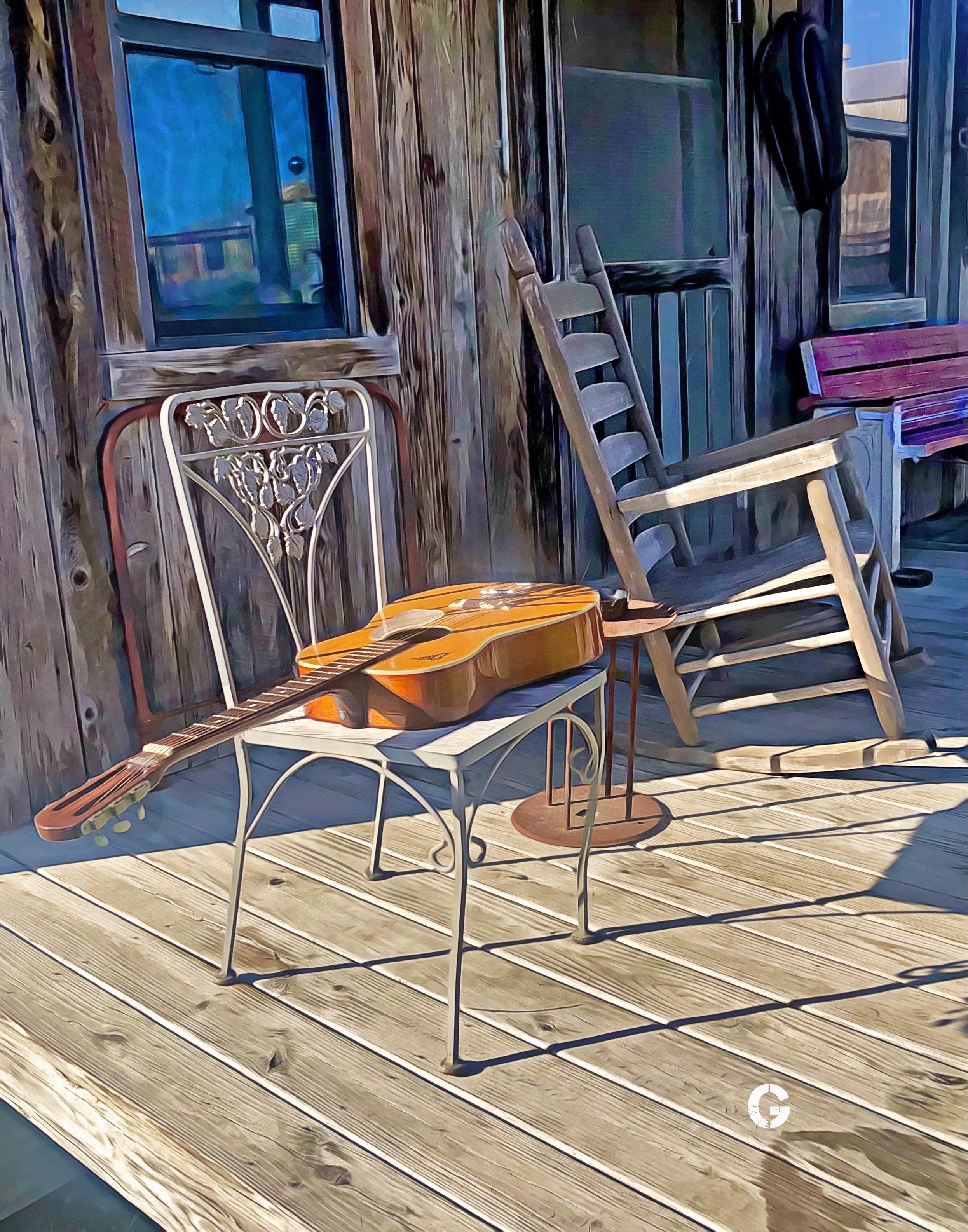
Shack Up Inn
Funky lodging • Music destination
The Shack Up Inn, in Clarksdale, Mississippi is located just three miles from the “Crossroads” where legend has it that Robert Johnson sold his soul to the devil in exchange for his blazing musical talent - the intersection of Highways 49 and 61. Known for quirky accommodations, rustic blues inspired décor, and musical instruments in most rooms, the inn also features regular live music in its own venue, the Juke Joint Chapel, and seasonal adult “band camps” like the Singer/Songwriter Workshop, Harmonica Experience and Jams, and Guitar & Bass Playing Workshop.

Blues City Deli Wall
St. Louis Neighborhood Gathering Spot • Blues Haven
More than just a spot for great food, for many years Blues City Deli, in St. Louis’s Benton Park neighborhood, hosted live performances, transforming its small inside space into an intimate, high-energy room loved by musicians and patrons alike.
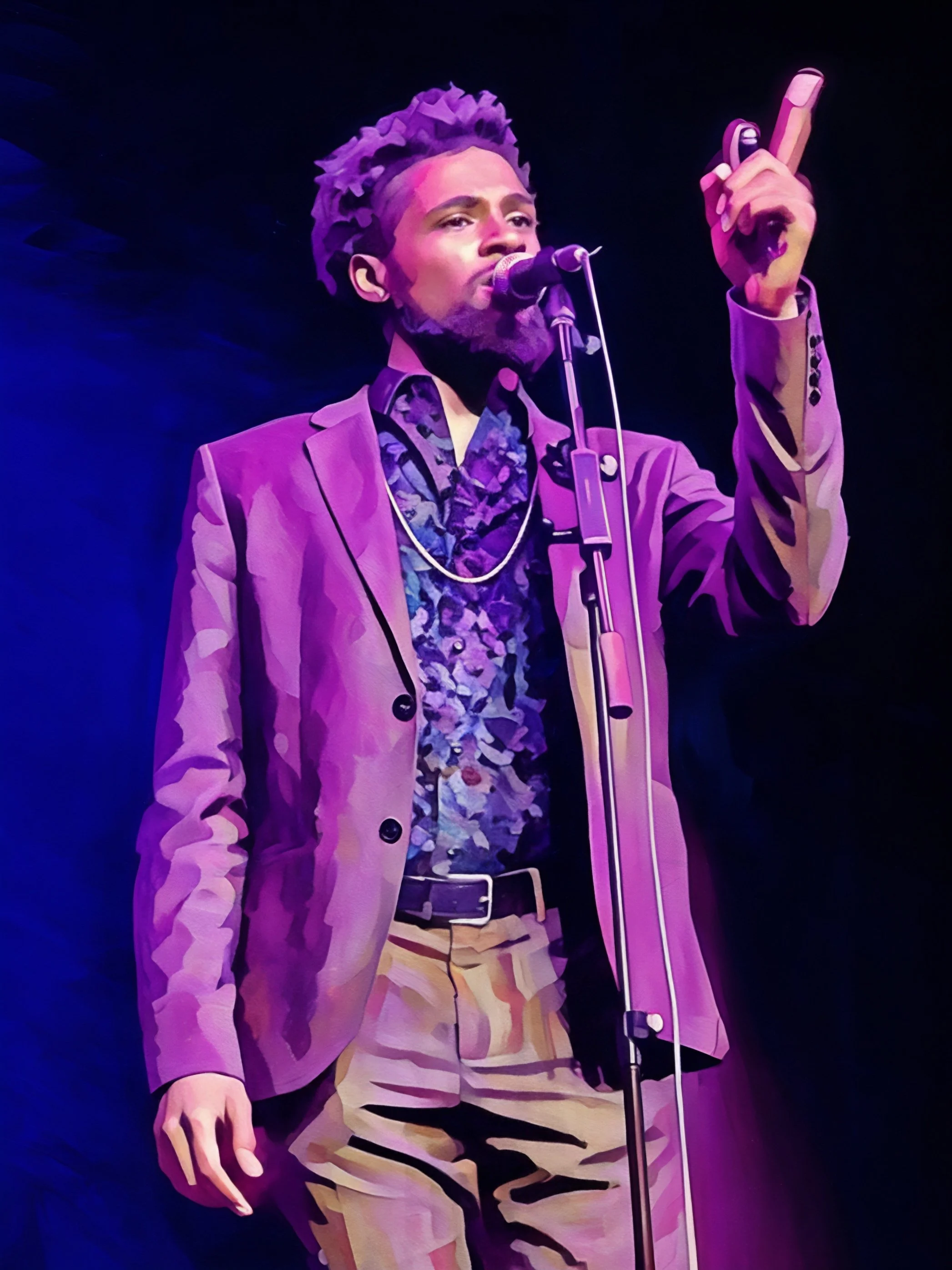
Dylan Triplett
Singer • Songwriter • Soul and Blues Vocalist
Dylan Triplett (2001 - ) is a St. Louis–based singer whose music draws on blues, soul, and gospel traditions rooted in African American church and community life. Emerging as a talented young performer with a classic, emotionally expressive vocal style, he connects the sound of mid-century soul and blues to contemporary audiences.
Influenced by artists like Sam Cooke, Ray Charles, Otis Redding, and Bobby “Blue” Bland
Known for smooth phrasing and dynamic, gospel-informed vocals
Blends blues, soul, and R&B repertoire with original songs
Represents a younger generation building on St. Louis soul-blues traditions
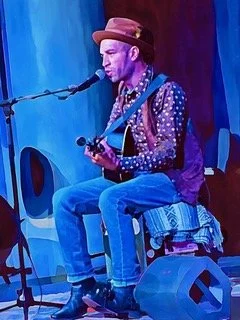
Devin C. Williams
Guitarist • Singer • Songwriter • Delta & Country Blues Artist
Devin C. Williams (1991 - ) is a guitarist, singer, and songwriter whose music reflects the acoustic traditions of Delta and country blues. Based in Illinois, he developed his style through close study of early blues recordings and the storytelling practices that grew from African American communities of the rural South. His approach centers on voice, rhythm, and lyrical narrative, drawing from a lineage of solo performers who relied on direct, personal expression.
Known for resonator guitar, slide techniques, and percussive playing style
Original songs connect historical forms to present-day experience, demonstrating how traditional blues remains a living, evolving art
Stripped down arrangements echo the intimate sound of early country blues musicians
Committed to sustaining acoustic blues traditions for new audiences
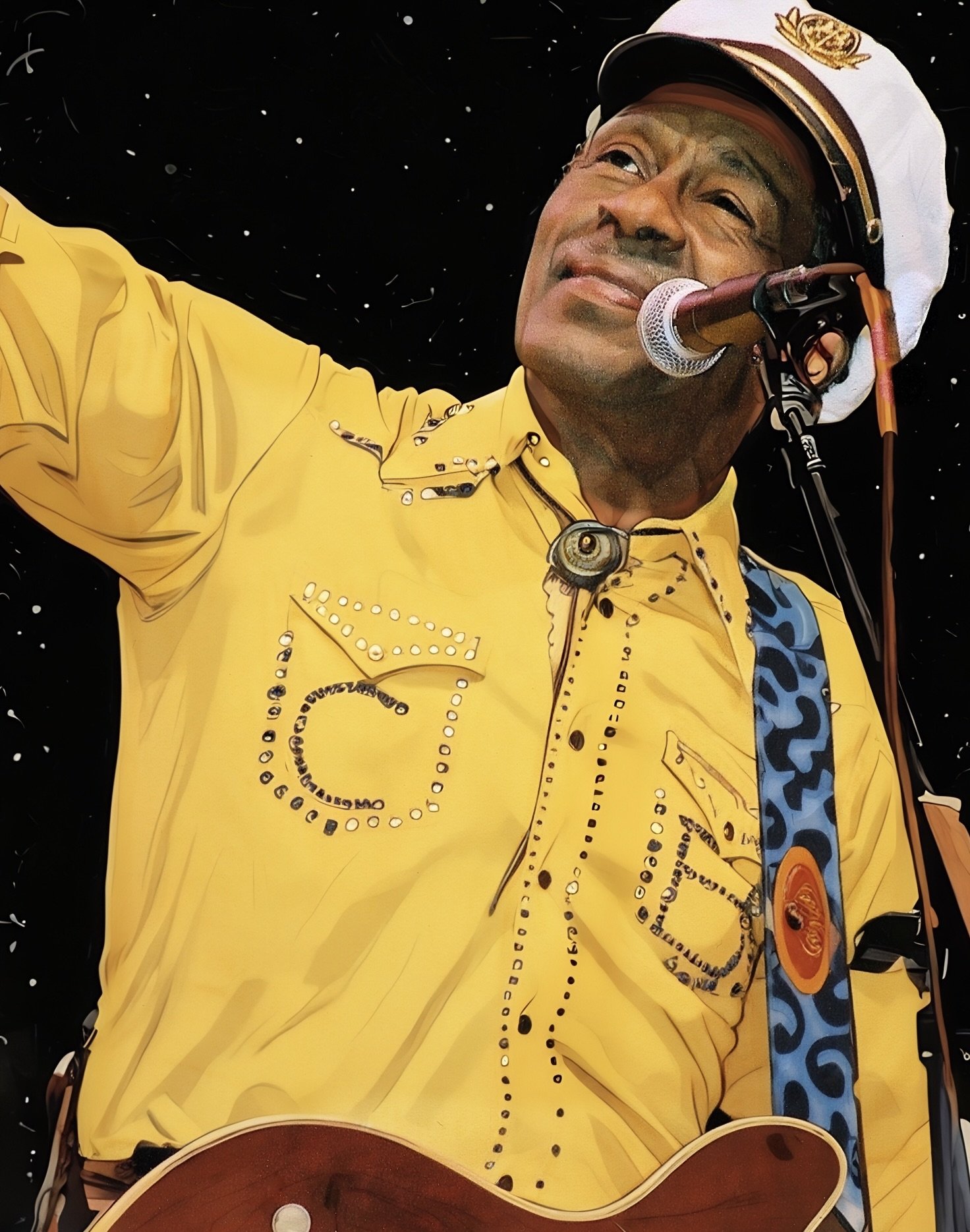
Chuck Berry
Guitarist • Singer • Songwriter • Rock & Roll Pioneer
Emerging from St. Louis’s vibrant Black club scene, Chuck Berry (1926 – 2017) blended blues, R&B, and country influences to help define the sound and storytelling style of early rock and roll. His music built directly on the structures of electric blues, translating its guitar riffs, shuffle rhythms, and lyrical themes into songs that reached national and international youth audiences.
Influenced by T-Bone Walker, Nat King Cole, and Johnnie Johnson
Known for distinctive double-stop guitar riffs and rhythmic drive
Wrote narrative songs about everyday life, travel, and teen life
Recorded foundational hits that shaped the language of rock guitar
Inducted into the Rock and Roll Hall of Fame at its opening in 1986, recognizing his influence on generations of musicians

Robert Cray
Guitarist • Singer • Songwriter • Modern Blues and Soul Artist
Based for many years in the Pacific Northwest, Robert Cray (1953 -) developed a smooth, melodic guitar style that helped bring contemporary blues to wider mainstream audiences. He revitalized the genre in the 1980s, with his blend of blues with soul, R&B, and pop sensibilities. Drawing on African American traditions of blues, soul, and gospel, his music blends emotional storytelling with clean-toned phrasing and polished band arrangements.
Known for his clean Stratocaster tone and expressive vocals
An 80s changemaker, he won the Grammy for Best Traditional Blues Recording in 1985, then the very next year the Grammy for Best Contemporary Blues Album
Inducted into the Blues Hall of Fame, a five-time Grammy winner, and recipient of the Americana Music Awards Lifetime Achievement for Performance
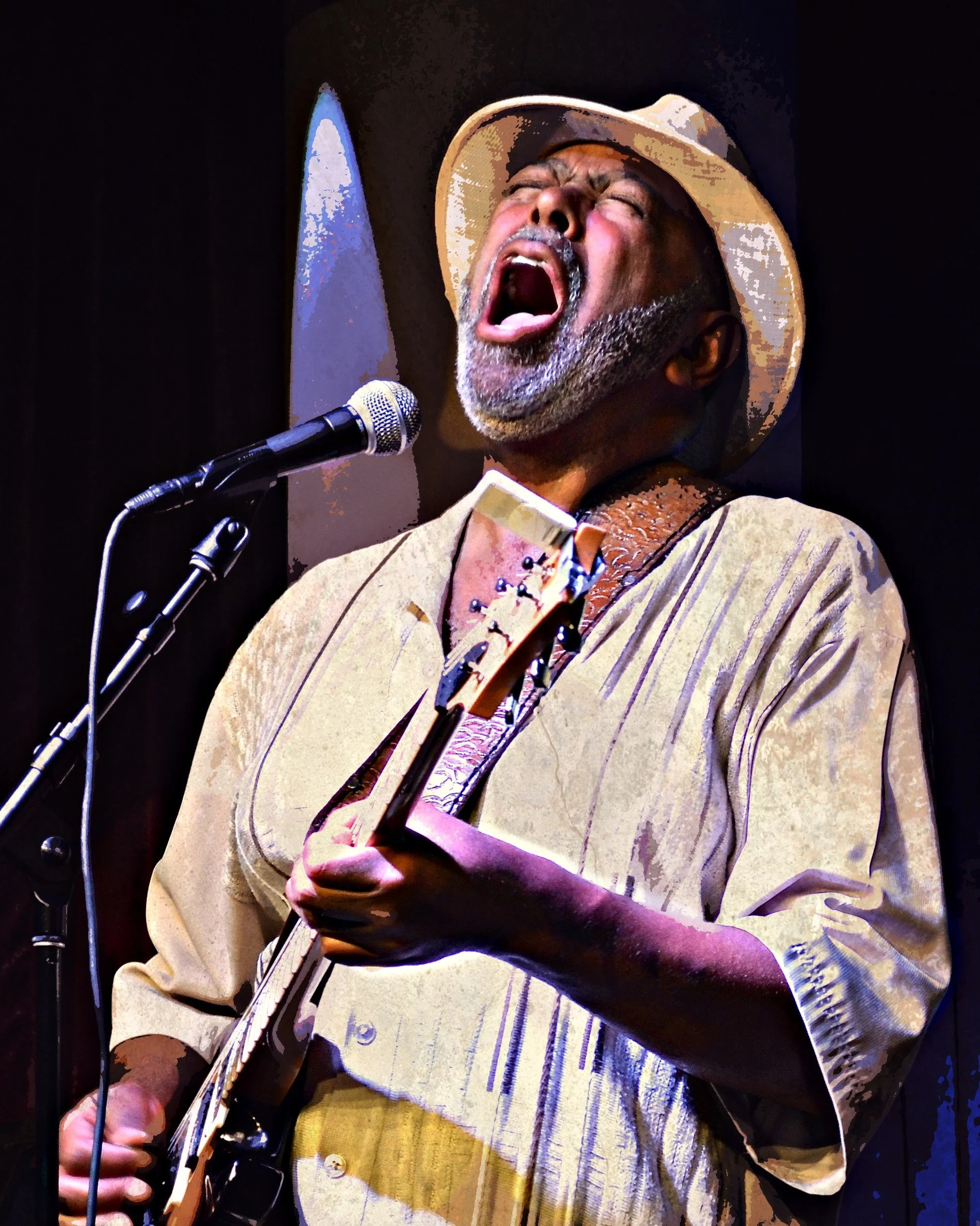
Zac Harmon
Guitarist • Songwriter • Contemporary Electric Blues Artist
Rooted in Jackson, Mississippi, Zac Harmon (1957- ) combines Delta blues traditions with modern electric blues and soul influences shaped by the Black musical culture of the South, where he was influenced early by his musical family and community. While building his performance style, he also worked as a songwriter on films, television shows, and national commercials, hired at one point by Michael Jackson as a staff writer. As both performer and songwriter, his work connects classic blues structures with contemporary grooves and socially grounded storytelling.
Known for warm, expressive guitar tone, soulful vocal style, and polished songwriting
Works as a producer and session musician in addition to performing
Influences include B.B. King, John Lee Hooker, George Duke, Little Milton Campbell.
Recipient of Blues Music Awards recognizing contemporary blues performance
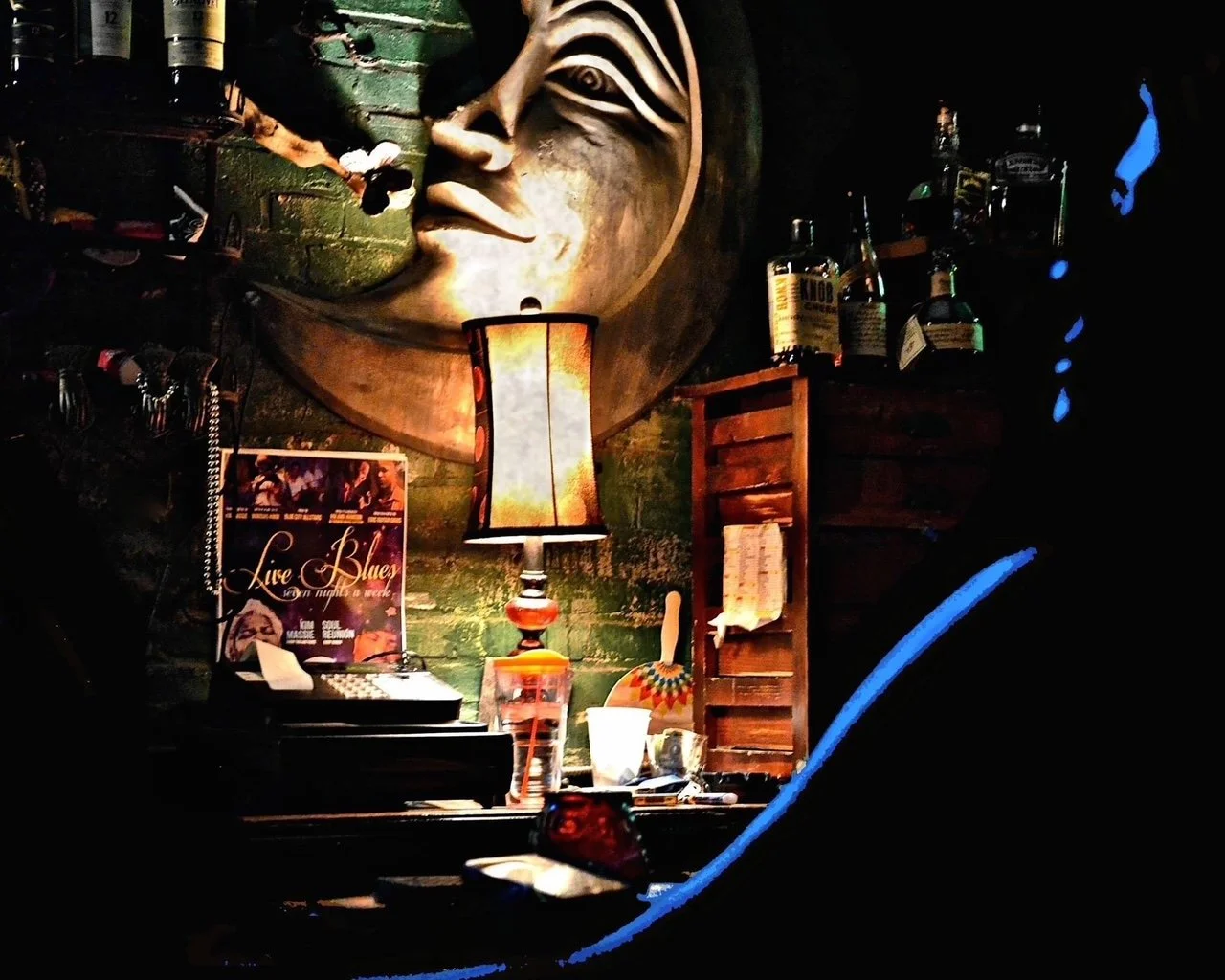
Blues Night, Beale on Broadway
Vibrant Venue • Cultural Gathering Place
Beale On Broadway, was a vibrant downtown venue known for its soulful atmosphere and live music heritage, in St. Louis, MO. Nestled in the heart of the city’s entertainment district just blocks from Busch Stadium, it blended historic character with contemporary energy, offering visitors a backdrop of exposed brick, warm lighting, and engaging rhythms. Originally beloved as a blues, R&B, and soul music hub, the space became a cultural gathering place for artists and audiences alike.

Marsha Evans
Singer • Songwriter • St. Louis Blues Vocalist
Marsha Evans (1951- 2026) was a St. Louis–based singer and songwriter whose powerful voice reflected the deep connections between blues, gospel, and rhythm and blues within African American church and community life. Emerging from the city’s neighborhood club scene, she continued a long tradition of women vocalists who have shaped the emotional and expressive core of regional blues performance. Celebrating her legacy, the National Blues Museum’s Dr. Robert Nelson noted, “Marsha Evans embodied the resilience and brilliance of St. Louis blues. Her voice carried history, dignity, and power.”
Known for commanding, soulful vocal delivery
Performed as a bandleader and recording artist.
Active in St. Louis clubs, festivals, and community events.
Represented the continuing leadership of women in contemporary blues.
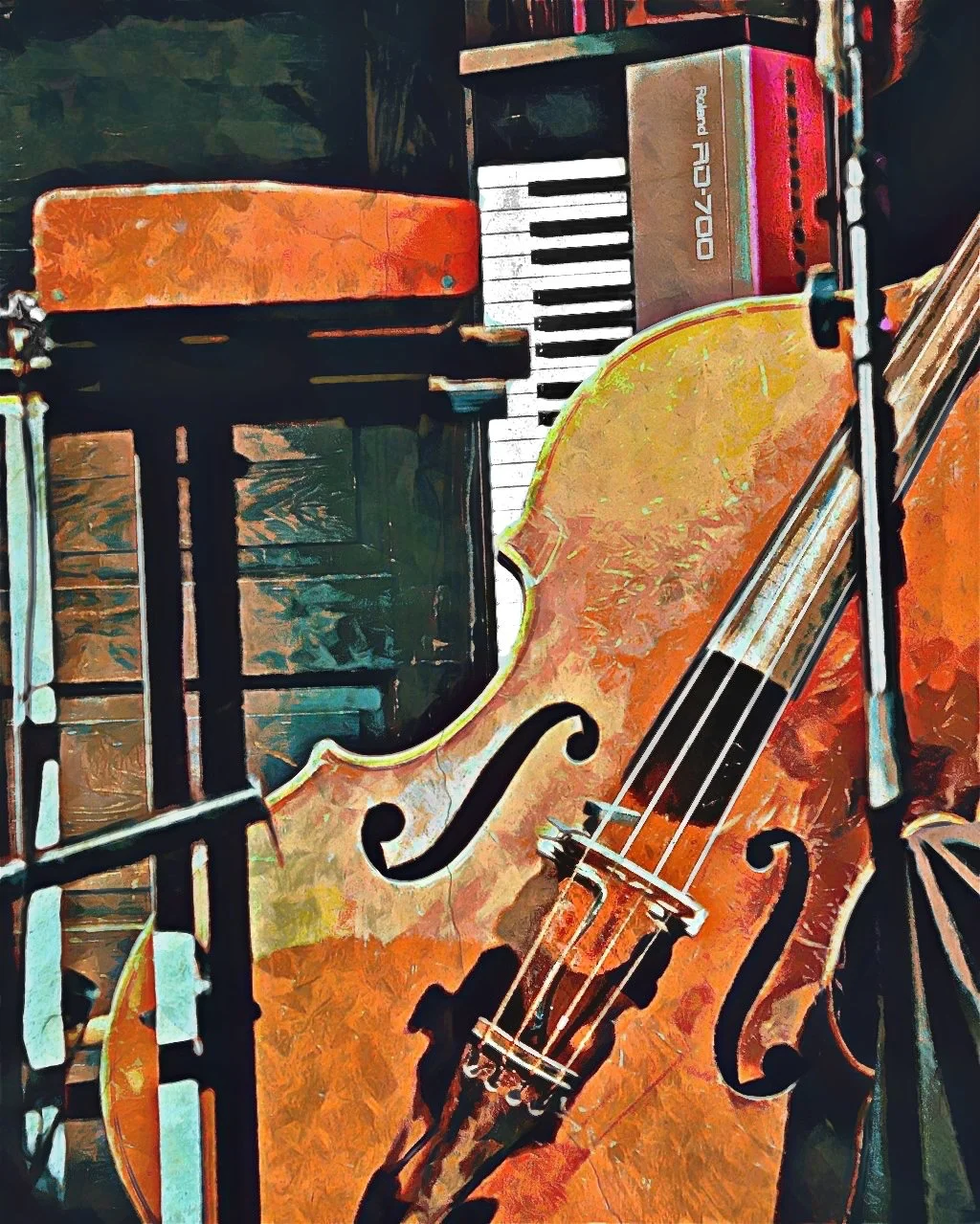
Blues Tools
No description needed
Buddy Guy
Guitarist • Singer • Songwriter • Chicago Electric Blues Artist
Born in Louisiana, Buddy Guy (1936 - ) emerged from Delta blues traditions before moving to Chicago, where he became a central figure in the city’s electric blues scene during the postwar years. Recording for Chess Records—a label that amplified the work of African American musicians and helped transform Southern blues into an urban, electrified sound. He became known for unpredictable, raw, high-energy fusion of explosive sound with deeply emotional, soulful melody. Often described as “ferocious,” his style broke the mold of traditional blues.
Known for high-volume amplification, string bends, and emotionally charged improvisation
Recorded for Chess Records alongside Muddy Waters, Howlin’ Wolf, and Etta James
Influenced artists including Hendrix, Eric Clapton, Bonnie Raitt, and Stevie Ray Vaughan
Recipient of multiple Grammy Awards and inducted into the Rock and Roll Hall of Fame
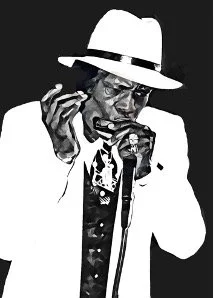
Junior Wells
Singer • Blues Harp Stylist • Chicago Electric Blues Artist
Junior Wells (1934–1998) became a seminal Chicago blues vocalist and harmonica virtuoso who helped define the amplified Chicago blues sound that emerged from African American neighborhoods on the city’s South and West Sides. As one of the first harmonica players to push the blue harp to the front of the band, he transformed it into a lead voice equal to the electric guitar – elevating it from accompaniment to center stage. A key figure in modernizing the blues, he developed a distinctive percussive, staccato style, with a contemporary, funky feel.
Used blues harp to echo vocals, bridging Delta style with the syncopated phrasing and attack of soul artists like James Brown
Influenced by Sonny Boy Williamson and Little Walter
Frequent collaborator with guitarist Buddy Guy
Recorded influential albums that shaped Chicago blues in the 1960s and 1970s
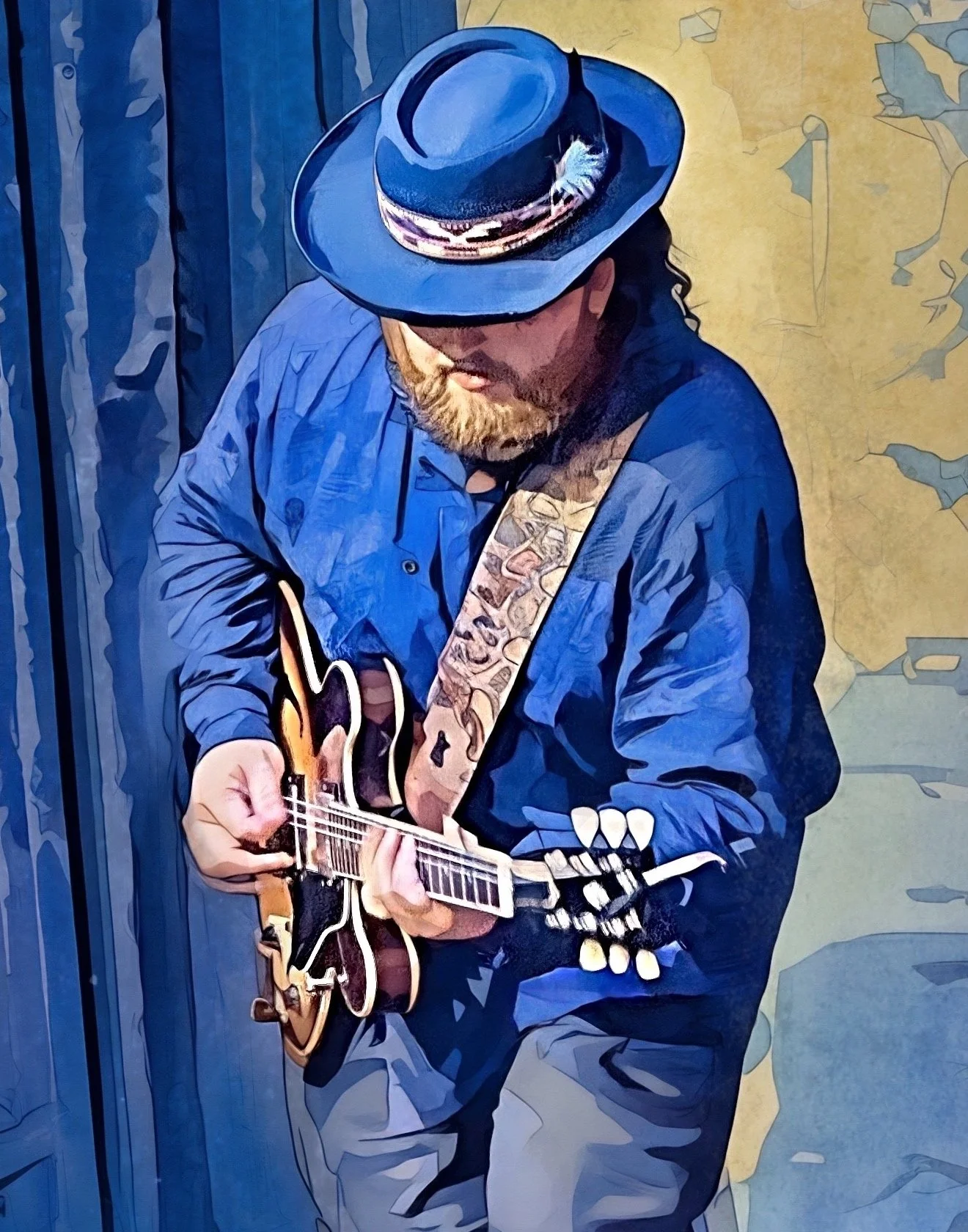
Matt Lesch
Guitarist • Singer • Songwriter • St. Louis Blues Artist
Matt Lesch (1997 - ) is a guitarist, singer, and songwriter whose music reflects the continuing vitality of St. Louis’s electric blues tradition. Emerging at a young age on regional stages, he was mentored by local blues legend Big George Brock and became his lead guitar player while still in his teens. Known as Matt “the Rattlesnake” Lesch, he describes his music as pure St. Louis blues, with a hint of modern. He has become one of the city’s most visible younger performers, helping connect historic club-era blues styles with new audiences.
Known for slide guitar and dynamic, high-energy live shows
Influenced by Albert King, Stevie Ray Vaughan, and Chicago blues players
Combines traditional blues forms with original songwriting
Represents a new generation building on St. Louis blues traditions

Ron Edwards
Singer • Songwriter • St. Louis Bottleneck Blues Guitarist
A longtime fixture of the stages of St. Louis, Ron Edwards (1954 - ) developed his sound within a city shaped by Southern migration, at the intersection of Delta, soul, and urban electric blues. Through decades of steady performing, he has helped maintain the working-band culture that keeps blues active in neighborhood venues rather than confined to nostalgia. As longstanding host of KDHX radio show “Nothin’ but the Blues”, Evans’ knowledge, insights, and experience as a working musician make the program a history lesson on all forms of the blues.
Known for smooth, melodic guitar phrasing, skillful bottleneck slide, and expressive vocals
Draws influence from B.B. King, Albert King, and regional blues styles
Regular presence in local clubs, and producer of festivals, and community events
A founding member of the St. Louis Blues Society
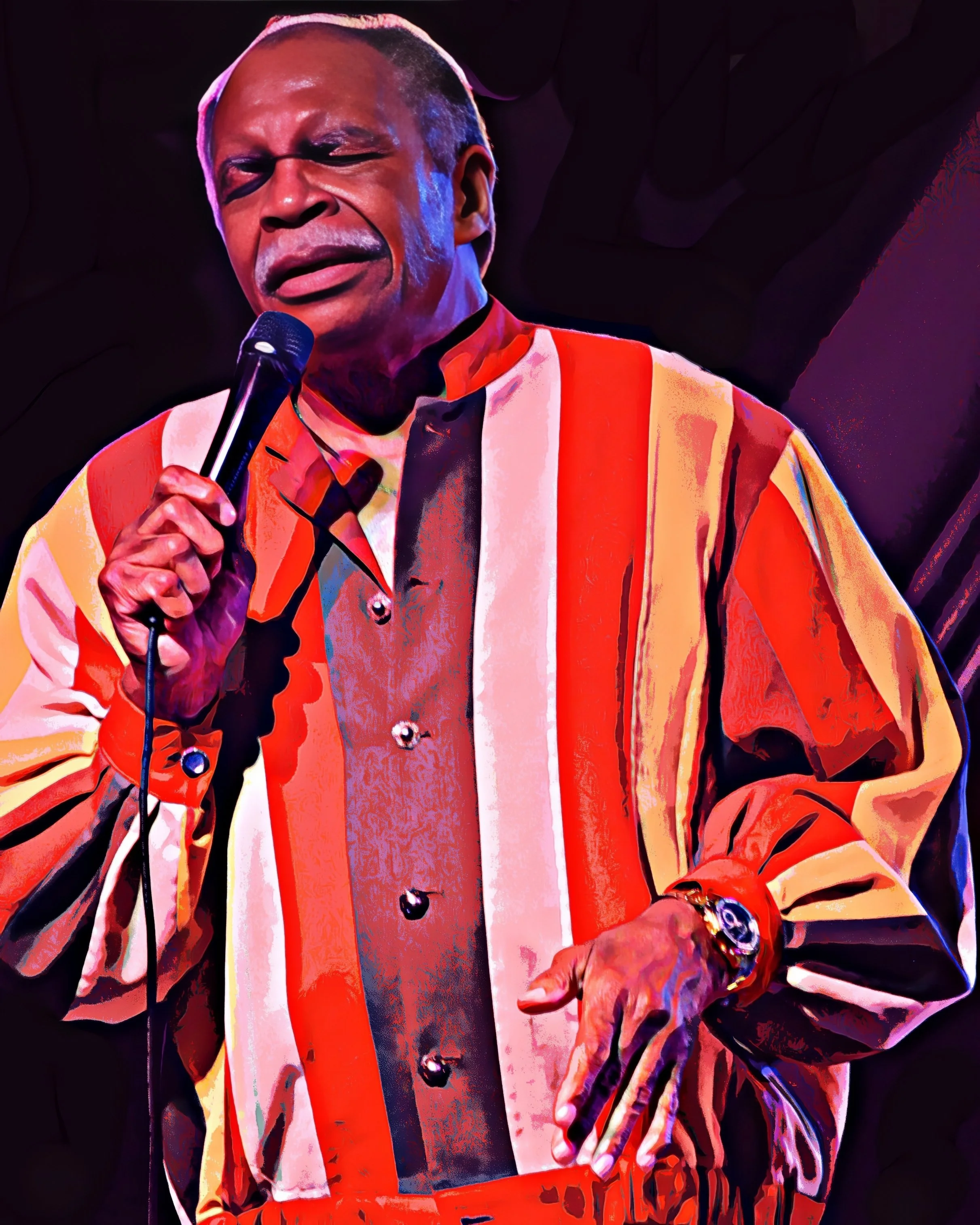
Otis Clay
Singer • Songwriter • Soul-Blues Vocalist
Growing up in Mississippi and later settling in Chicago, Otis Clay (1942–2016) carried the emotional power of gospel quartet singing into the city’s soul and blues circuits. His church-trained voice brought a deep, spiritual intensity to secular recordings, helping define the modern soul-blues sound that bridges sacred and popular music. Though not a blues musician in the traditional sense, he became a favorite on the blues circuit, negotiating the intersection of gospel, blues, and soul so well that he was inducted into the Blues Hall of Fame in 2013.
Began his career performing in gospel groups
Known for rich baritone tone and dramatic phrasing
Recorded influential soul-blues singles and albums in the 1960s and 1970s
Performed extensively in Chicago clubs and on international tours

Kim Wilson
Singer • Harmonica Player • Chicago Blues Artist
Best known as frontman for The Fabulous Thunderbirds, Kim Wilson’s (1951- ) musical foundation lies deep in the traditions of postwar Chicago blues. He approaches the blues as a disciplined language—with shuffle rhythms, horn-like harp lines, and the understated swing that characterized classic electric ensembles. Modeled on Little Walter, his blues harp style features amplified tone, deep bends, and shuffle-driven phrasing. Likewise, his singing reflects the directness and grit of Chicago blues vocalists, favoring groove and feel over vocal styling.
Drew from Muddy Waters’ era and the energy of artists like Jimmy Rogers and Elmore James
Known for authentic amplified harp tone and tight ensemble playing
Combines original songs with historically informed blues structures
Keeps the sound and spirit of classic electric blues vibrant on today’s stages
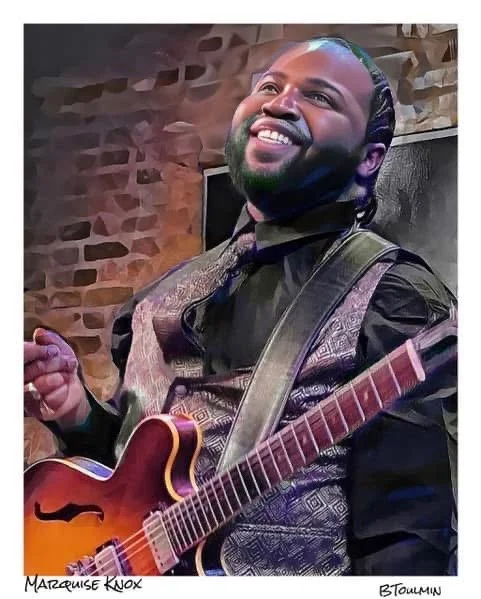
Marquise Knox
Guitarist • Singer • Songwriter • Sustaining St. Louis Blues Heritage
Raised in St. Louis and mentored by established local musicians, Marquise Knox (1991- ) emerged from the city’s neighborhood blues scene as a teenager, absorbing traditional electric styles at an unusually young age. By touring internationally before adulthood, he became one of the most visible young ambassadors of St. Louis blues, helping bring its regional sound to wider audiences.
Began performing professionally as a child in St. Louis clubs
Mentored by Henry Townsend; influenced by Bennie Smith, and Chicago blues traditions
Known for fluid electric guitar phrasing and confident stage presence
Blends traditional blues structures with original songwriting
Represents a new generation carrying forward St. Louis blues heritage
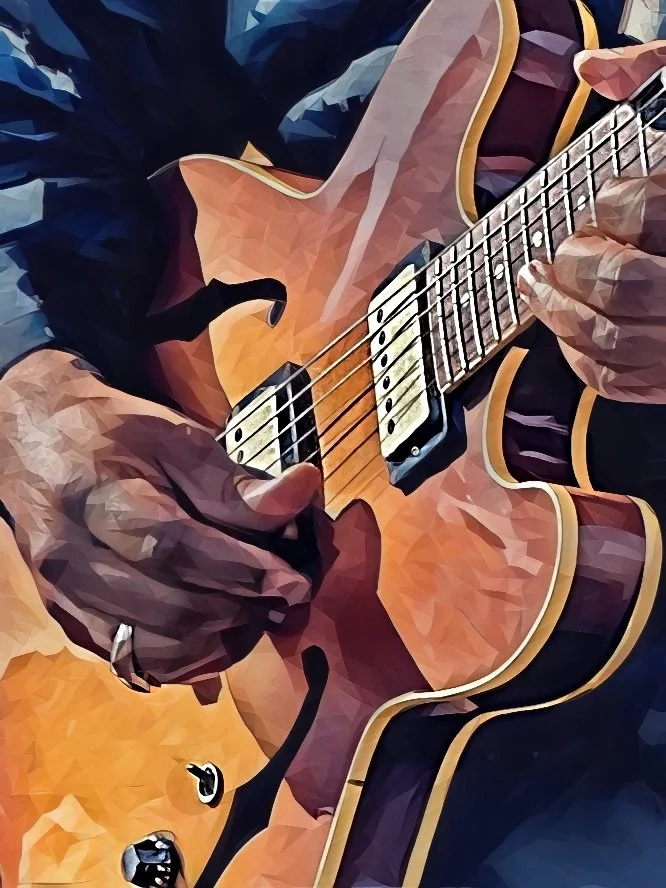
Marquise Knox’s Guitar
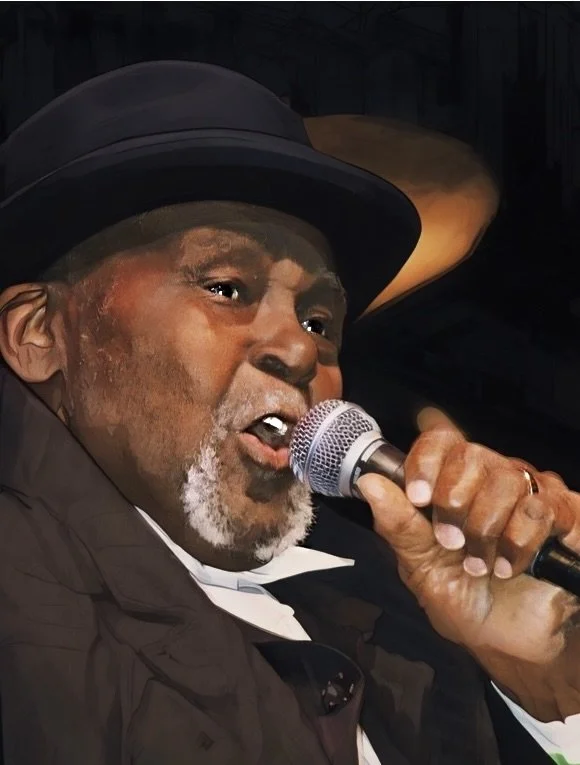
Henry Townsend
Singer • Guitarist • Pianist • St. Louis Blues Icon
Henry Townsend (1909–2006) carried the blues from the Mississippi Delta into St. Louis, where he became a pivotal figure in defining the St. Louis Blues sound, and one of the city’s longest-performing traditional blues musicians. Townsend’s piano style, influenced by Roosevelt Sykes, fused St. Louis shuffles with barrelhouse, ragtime and jump, while his guitar picking drew comparisons to Charley Patton because of his unconventional style. His tenor vocal delivery harkened back to blues shouters. As one of the few artists to record during the prewar era and continue performing into the twenty-first century, he served as a rare living bridge between early acoustic blues and modern electric traditions.
Began recording in the late 1920s during the first commercial blues era
Worked alongside artists like Robert Johnson, Memphis Minnie, and Walter Davis
Recognized with a National Heritage Fellowship by the National Foundation for the Arts, a Grammy Award, and induction into the Blues Hall of Fame
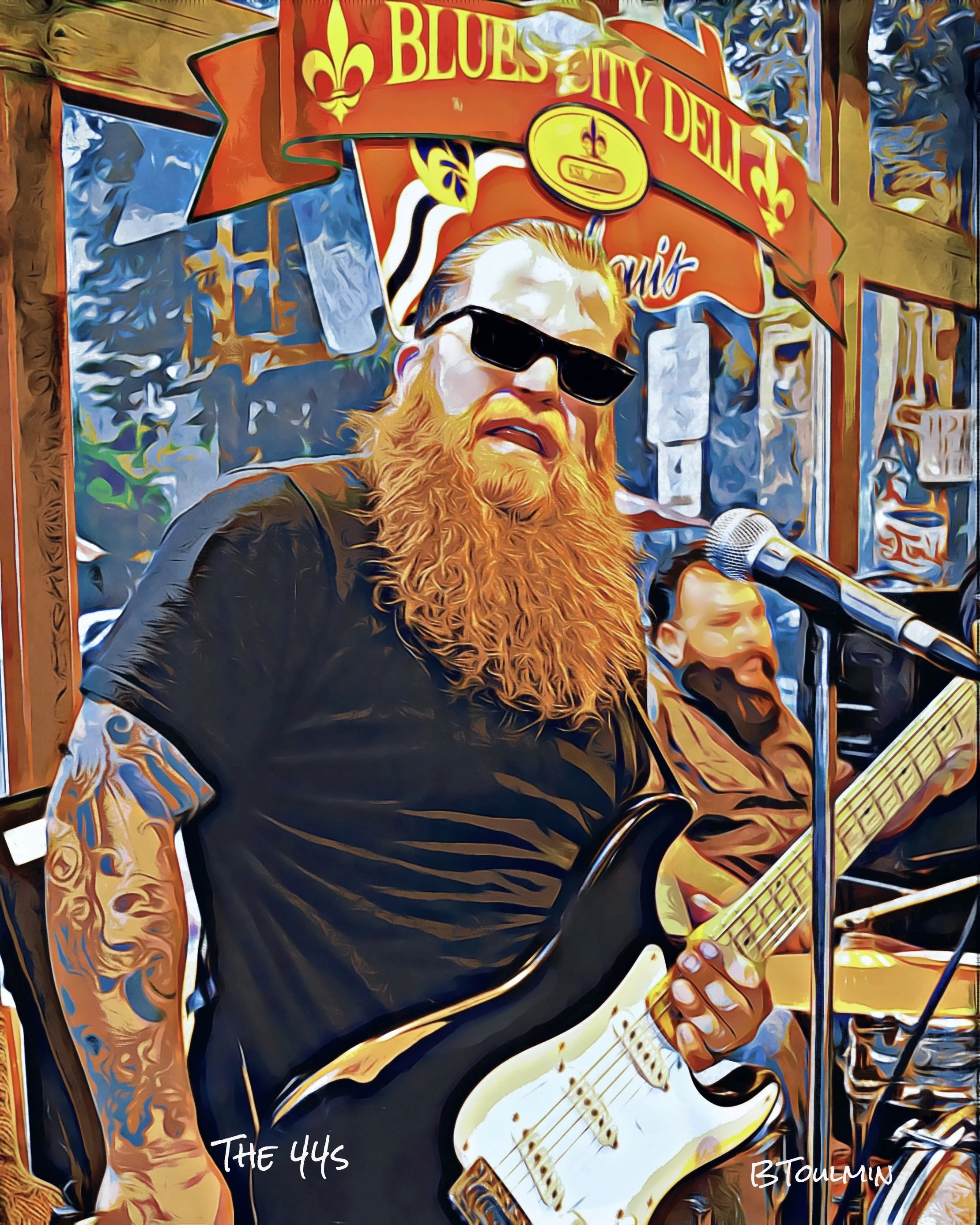
Johnny Main/The 44s
Guitarist • Singer • Songwriter • West Coast Blues Roots
Based in Los Angeles, Johnny Main is a guitarist and songwriter known for channeling the hard-edged sound of 1960s Chicago blues into a modern West Coast setting. As leader of the 44s, he has helped revive stripped-down electric blues band formats, emphasizing raw tone and small-club intensity over polished production.
Founder and frontman of the 44s
Influenced by Albert King, Freddie King, Earl Hooker, Otis Rush, and West Side Chicago blues
Known for gritty guitar, emotionally direct vocals, and blending blues, rock, and roots styles
Blends original material with classic electric blues structures
Active in sustaining live blues performance on the West Coast
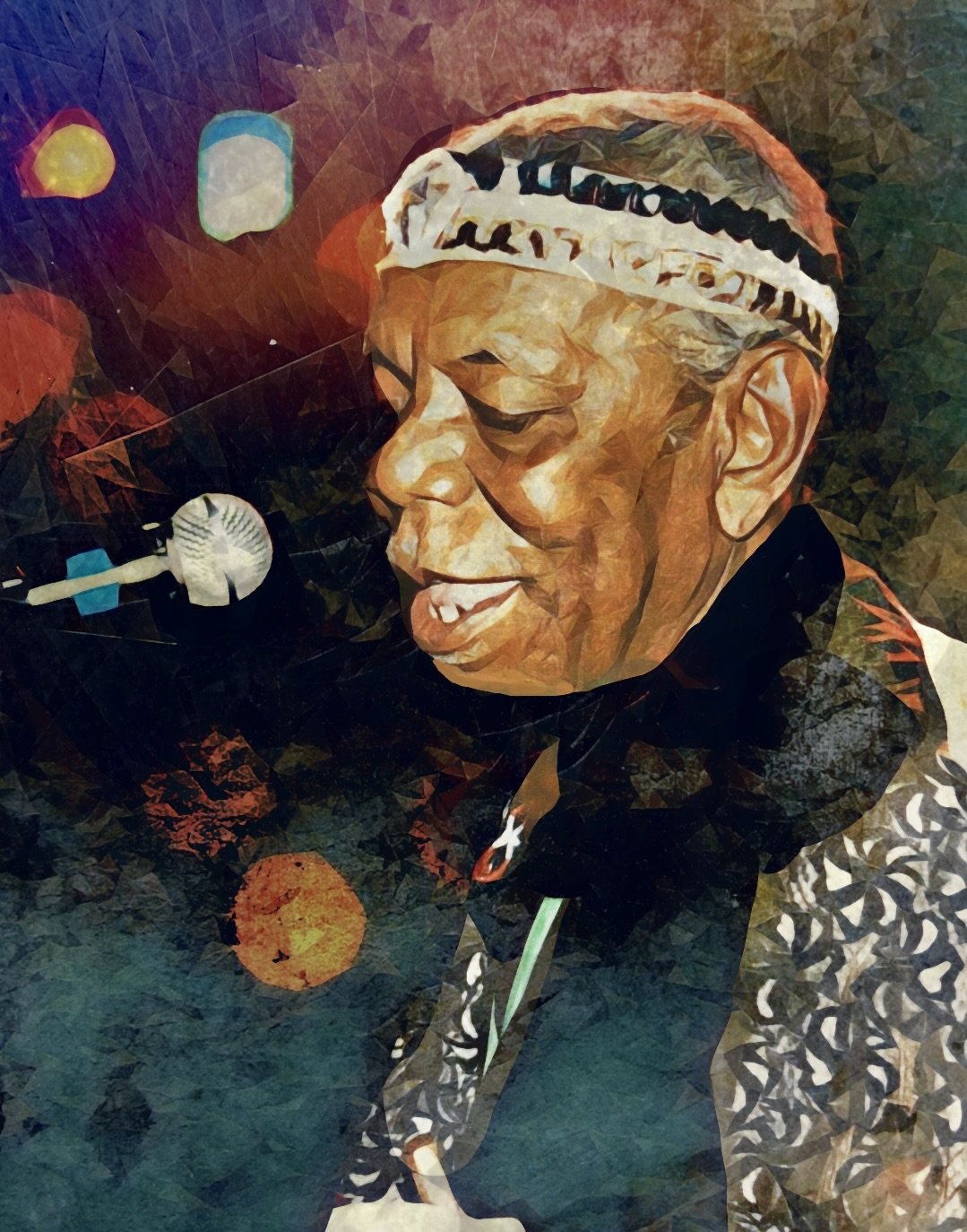
Champion Jack Dupree
Pianist • Singer • Songwriter • New Orleans Blues Artist
Champion Jack Dupree (born between 1908 and 1910 – 1992) brought the barrelhouse piano traditions of New Orleans into the broader blues world, shaping a percussive, rolling style that reflected the city’s street culture and dance halls. A former boxer who adopted his ring name as a stage identity, he helped carry New Orleans piano blues into national and international venues during the mid-twentieth century.
Rooted in New Orleans barrelhouse and boogie-woogie piano traditions
Known for rhythmic, rolling left-hand piano patterns
Recorded extensively in the United States and Europe
Blended blues storytelling with humor and personal narrative
Helped preserve and globalize New Orleans piano blues
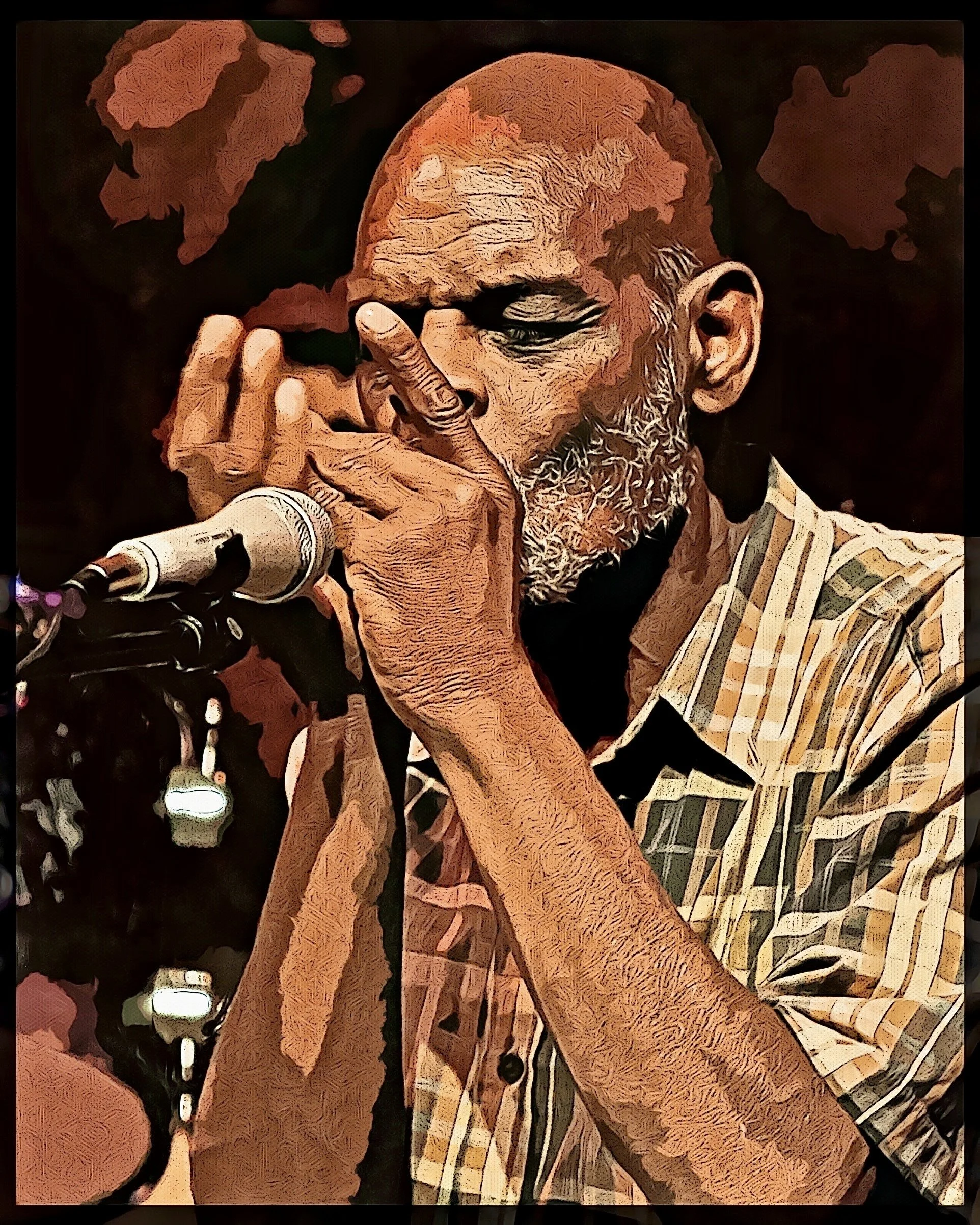
Eric McSpadden
Vocalist • St. Louis Blues Harmonica
Emerging from St. Louis’s club circuit, Eric McSpadden has built a career grounded in the city’s mix of Delta-rooted electric blues and urban soul influences. Known for his powerful natural bass vocals on classic blues covers, and Influenced by the harmonica style of Lee Oskar. Rather than using traditional Chicago tongue-blocking, he plays with a style often described as a "riffer" or sounding like a "horn player". Through steady live performance and regional touring, he is part of the community of artists maintaining a working blues band tradition that connects historic styles to contemporary audiences.
A blues interpreter, McSpadden has played with well-known bluesmen like Tommy Bankhead, Henry Townsend, Oliver Sain, and more
Performs regularly in St. Louis clubs and Midwest festivals, and recently voiced a trailer for the video game Call of Duty WWII.
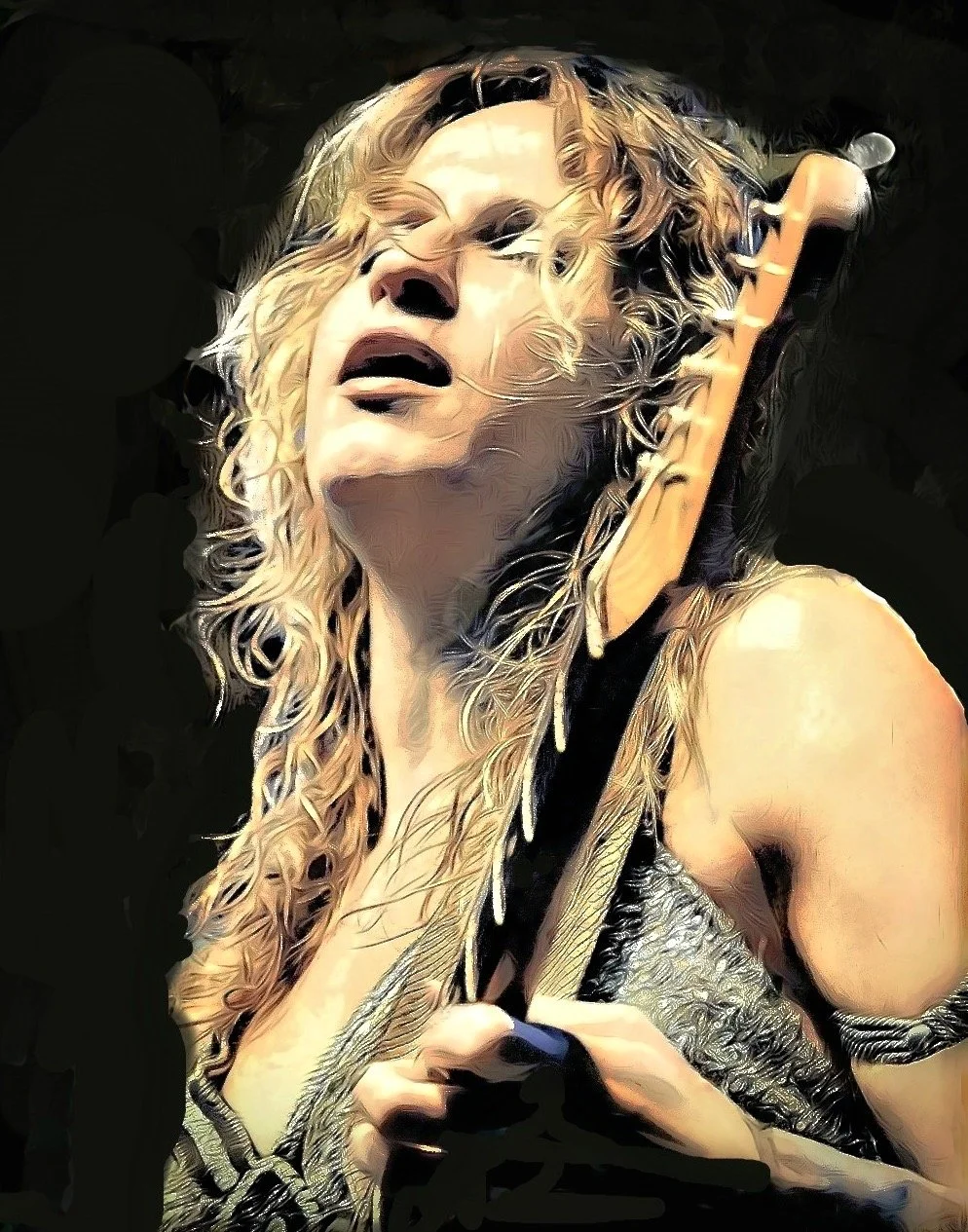
Ana Popović
Guitarist • Singer • Songwriter • Contemporary Blues
Bridging European roots with African American blues traditions, Serbian-American artist Ana Popović (1976 - ) has built an international career by immersing herself in American blues tradition, mastering both its technical and expressive language. Since moving to the U.S., she has toured extensively, being recognized for fluid phrasing, precise bends, and confident stage presence. Mastering electric blues guitar in a field historically dominated by men, she is expanding the visibility of women as band leaders and lead guitarists, demonstrating technical command and stylist authenticity.
Blends electric funk, slide guitar, jazz styling and bluesy vocals with a tight blues groove
Influenced by Albert King, Tina Turner, Elmore James, and Jimi Hendrix
Performs and records internationally with her band
Underscores the global reach of the blues and its evolution across cultures and generations
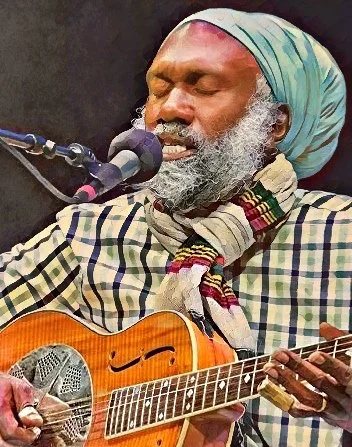
Corey Harris
Guitarist • Singer • Songwriter • Acoustic Blues and Roots Artist
Corey Harris (1969 - ) draws from Delta blues, West African traditions, and Caribbean influences to frame blues music as both a regional American tradition, and a part of the lineage of the global African diaspora. He immersed himself in acoustic country blues techniques, favoring slide guitar, open turnings, and sparse, rhythm-driven arrangements. Then as a MacArthur “Genius” Fellow, he focused on bridging rural blues with contemporary themes, revitalizing acoustic blues by exploring its connections to West African, reggae, and funk influences.
Deeply influenced by Mississippi Delta artists like Son House and Skip James
Incorporates West African and Caribbean rhythms into blues structures
Both a blues musician and an interpreter of blues history
Incorporates contemporary themes, showing the blues remain relevant to modern realities
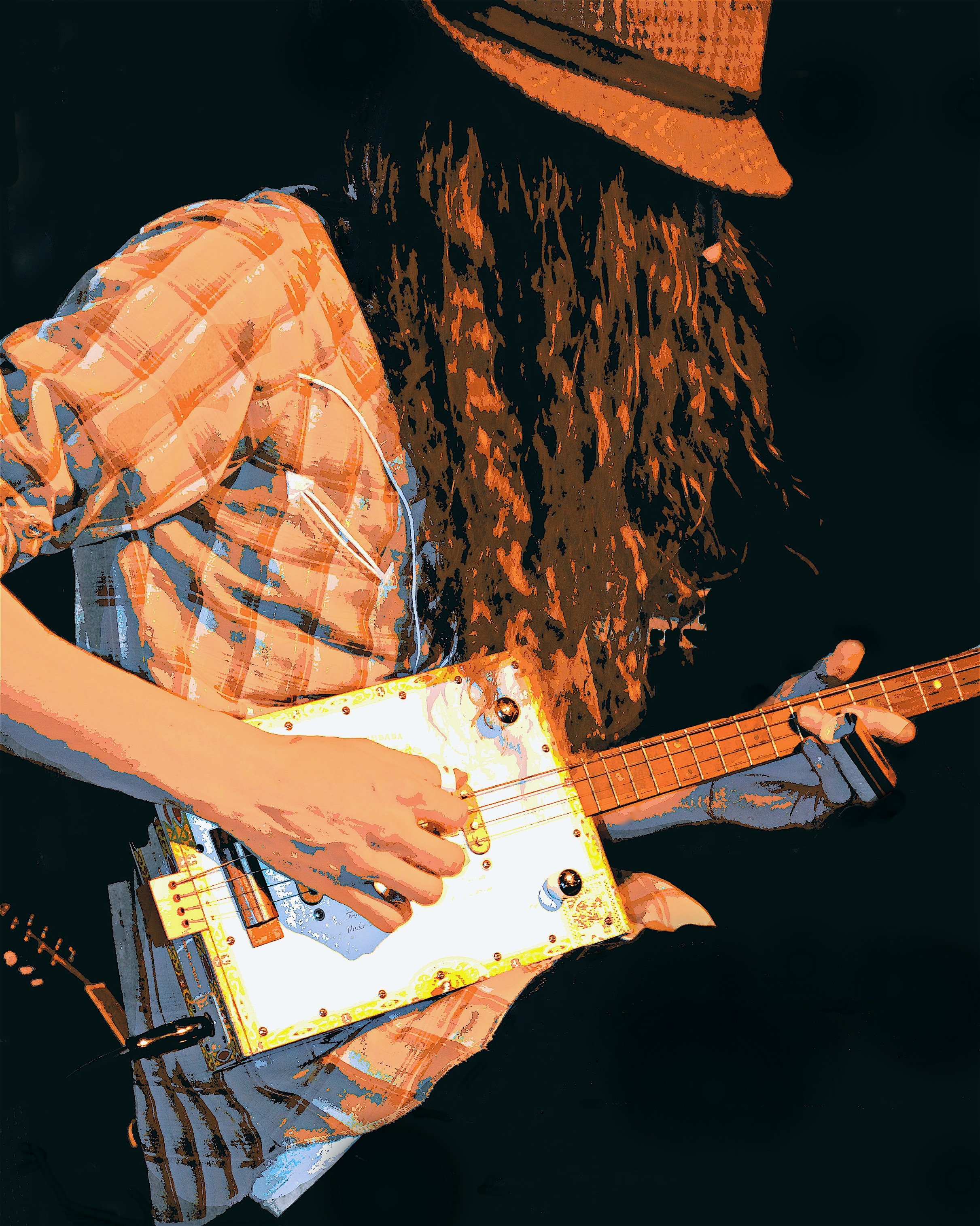
Justin Johnson
Guitarist • Instrument Builder • Songwriter • Blues Innovator
Justin Johnson (1984 - ) draws from country blues, slide traditions, and handmade instrument craftsmanship to highlight the raw, acoustic foundations of American roots music. Through widely viewed performance videos and custom-built instruments, he has introduced traditional slide guitar styles to global digital audiences in new ways. With early influences from west coast grunge, later meeting up with southern rock, blues, and jazz guitar, he developed strong technique and improvisational confidence. Pioneering approaches to playing, collaborating, and teaching using online platforms, Johnson is reviving traditional techniques and bringing new listeners to the blues genre.
Proficient in both fingerpicking and slide guitar and known for resonator-based performance
Influenced by Bob Dylan, Jimi Hendrix, Leonard Cohen, and Muddy Waters
Manages his music and career using online platforms and touring, expanding blues visibility
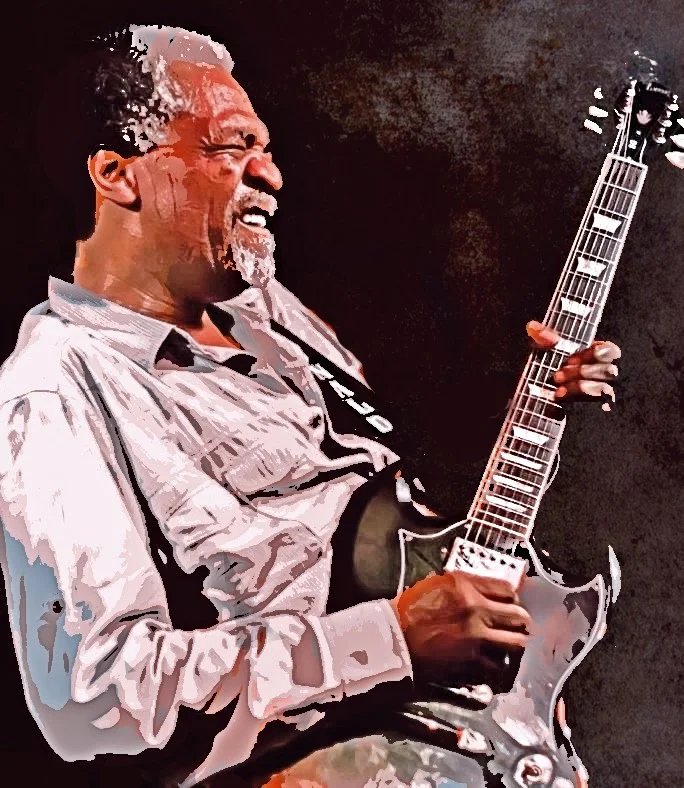
Donald Kinsey
Guitarist • Singer • Songwriter • Blues and Reggae Artist
While Donald Kinsey (1953 - 2024) developed his musical voice from Chicago’s South Side blues and soul traditions before expanding into reggae and international touring, his family roots come from his father’s birthplace in Mississippi. His early career was steeped in traditional blues, and he brought that sensibility with him when he later joined reggae artist Peter Tosh’s band Word, Sound, and Power, fusing blues guitar styling with roots reggae sound. Defined by an aggressive blues-rock tone, expressive techniques emphasizing wah-wah effects, and sustained notes that create vocal-like solos, his playing bridged blues with reggae rhythms. His became a distinctive cross-genre style rooted in African American and Caribbean musical heritage.
Known for work with Bob Marley and the Wailers
Performs both as a solo artist and a band member, with his brothers in The Kinsey Report
Represents the cross-cultural connections within Black musical traditions
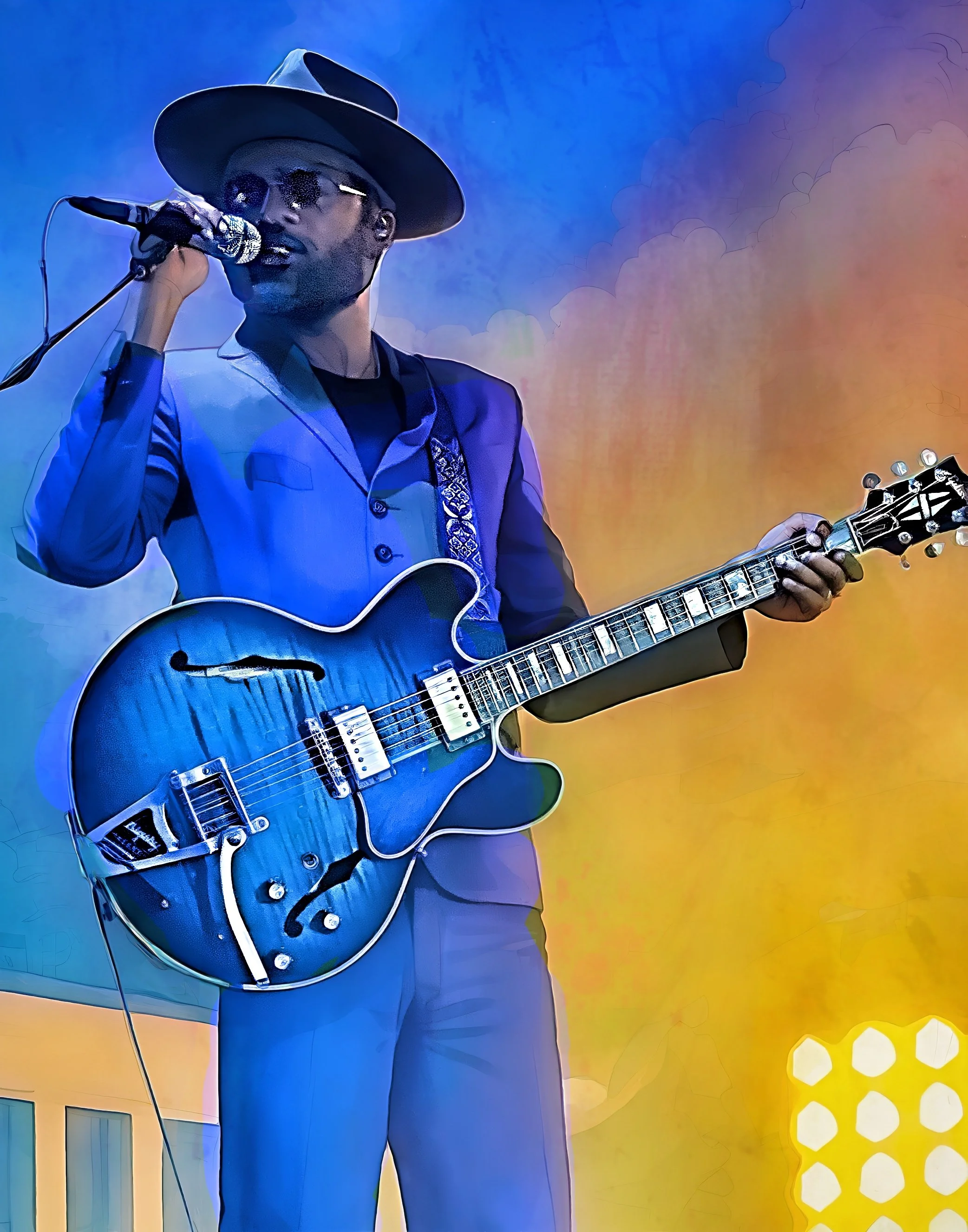
Gary Clark Jr.
Guitarist • Singer • Songwriter • Blues Language and Social Commentary
Gary Clark Jr. (1984 - ) grew up in Austin’s vibrant live music scene, where he began blending blues traditions with rock, soul, and hip-hop influences into a modern electric sound. Rather than treating blues as a revivalist style, he integrates its structures—minor pentatonic riffs, call-and-response phrasing, and expressive bends—into a modern framework that includes rock distortion, soul grooves, and hip-hop rhythms. Through songwriting that addresses race, justice, and contemporary American life, he is reconnecting blues to its historic role as a vehicle for social commentary.
Influenced by Clifford Antone, B.B. King, Stevie Ray Vaughan, Jimi Hendrix, and Buddy Guy
Known for distorted electric tone and expressive improvisation
Winner of multiple Grammy Awards, in both blues and rock categories
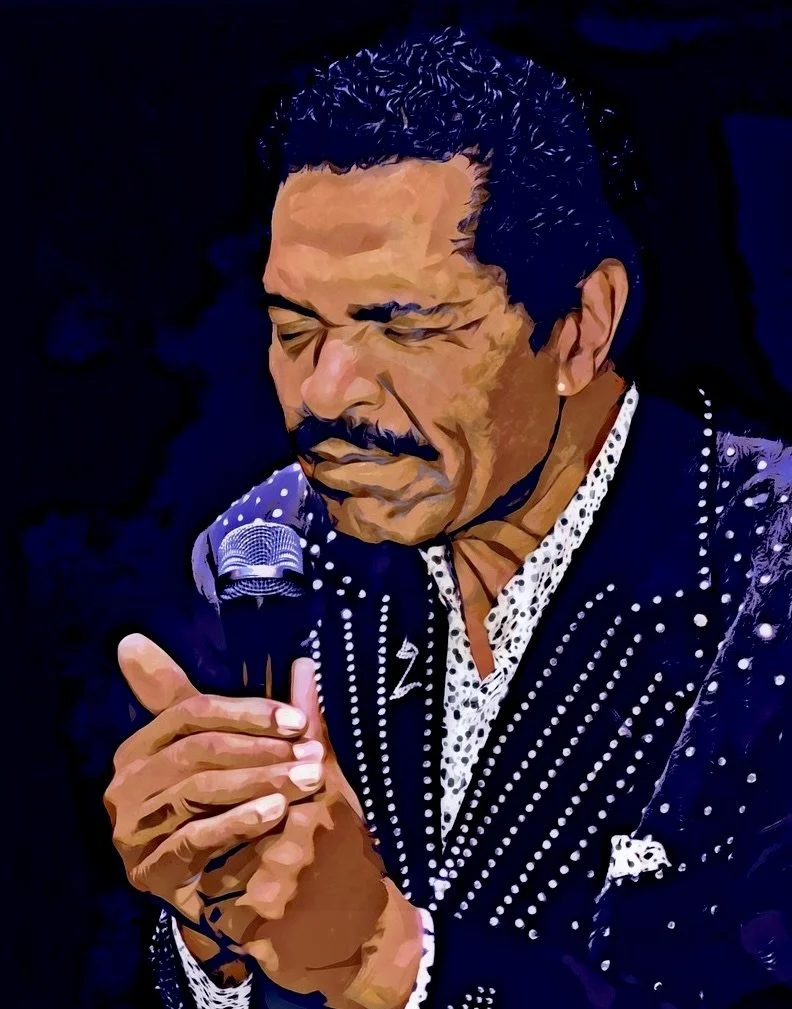
Bobby Rush
Singer • Harmonica Player • Songwriter • Soul-Blues Artist
Born in Louisiana and raised in Arkansas, Bobby Rush (1933 - ) developed his sound within Southern Black club circuits shaped by blues, soul, and funk traditions. His harmonica playing, steady rhythmic patterns, and conversational vocal delivery kept the blues rooted in its expressive traditions while adapting to contemporary audiences. By blending blues structures with vibrant showmanship, groove-driven rhythms, and contemporary themes, he helped redefine modern soul-blues performance for late twentieth- and twenty-first-century audiences. Rush treats the blues as living music meant for the dance floor and community gathering spaces.
Recorded extensively across several decades with independent labels
Winner of two Grammy Awards and member of the Blues Hall of Fame
Remains active as a touring performer into his nineties
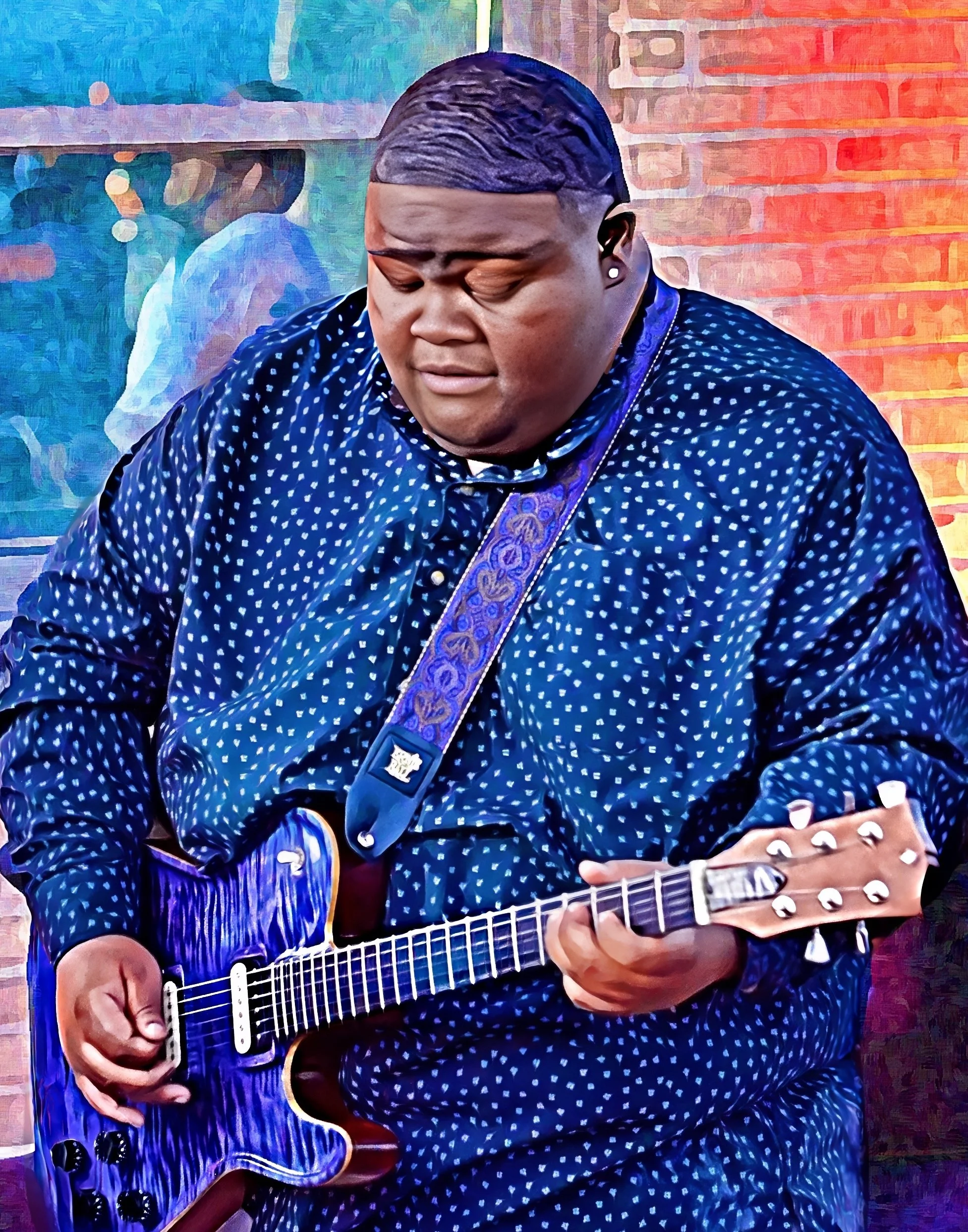
Christone "Kingfish" Ingram
Guitarist • Singer • Songwriter • Blues Torchbearer
Christone “Kingfish” Ingram (1999 - ) emerged from Clarksdale, Mississippi, quickly becoming one of the leading young voices carrying Delta blues traditions into the 21st century. As a bridge between more contemporary blues and blues roots, his powerful guitar tone, wide vibrato, and extended improvisations reflect influences from B.B. King, Buddy Guy, and Jimi Hendrix, while his phrasing remains grounded in the Mississippi structures of Muddy Waters and John Lee Hooker. Channeling the spirit of the Delta, he is becoming a torchbearer for a new era of the blues.
Writes songs linking personal storytelling to modern social experience
Vocal influences from Luther Vandross, Erykah Badu, Aretha Franklin, and Barry White
Winner of multiple Blues Music Awards and Grammy recognitions